Growing Foreign Demand for Property: What Is Changing in Portugal’s Housing Market?
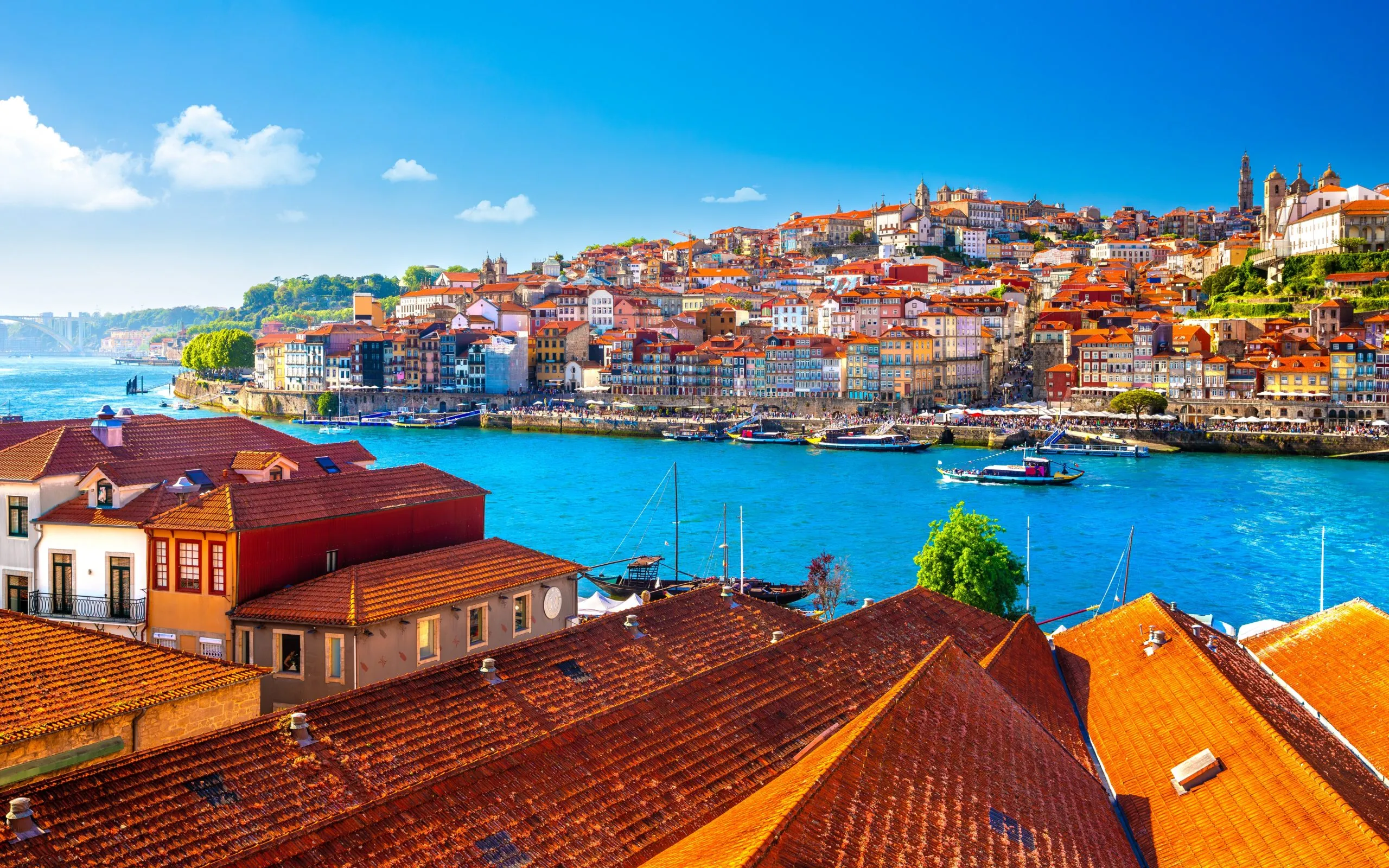
Based on official statistics and market trends, the influence of international buyers on Portugal’s housing market is indeed continuing to strengthen.
The Share of Foreign Buyers Continues to Rise
According to Portuguese media and official statistics, real estate has consistently been a major component of Portugal’s foreign direct investment (FDI). Especially over the past two years, foreign capital inflows into the property sector have maintained strong growth momentum.
Data from the Bank of Portugal show that in the first half of 2025, foreigners accounted for 21% of newly issued housing loans in Portugal, compared with 18% the previous year.
The continued increase in this proportion reflects the expanding participation of international buyers in the market, not only in terms of transaction volume but also within the financing structure.
Who Is Buying? Two Buyer Profiles Are Becoming Clear
From a structural perspective, foreign buyers can broadly be divided into two categories.
The first group consists of individuals who are already living in Portugal long term. This includes those who have settled through work visas, family reunification, skilled migration, and similar pathways. These buyers typically have stable incomes and tax records, and their purchases are primarily driven by owner-occupier needs, with particularly strong activity among younger demographics.
The second group comprises international families or high-net-worth individuals residing abroad. Buyers from the United States, Brazil, China, the United Kingdom, and other countries are more often motivated by asset allocation, lifestyle planning, or future self-use and holiday considerations. This group tends to focus on environmental quality, safety, and long-term residency policies.
Data indicate that non-resident buyers are clearly skewed toward the higher-end segment of the market. In 2024, the average purchase price for local residents was approximately €198,000, while the average for non-residents reached €345,000 — about 1.7 times higher. By the end of 2025, median transaction prices paid by foreign buyers in the Greater Lisbon area were approximately 61.9% higher than those paid by local Portuguese buyers.
This suggests that international buyers are not only increasing in number but are also demonstrating stronger demand for higher-value properties.
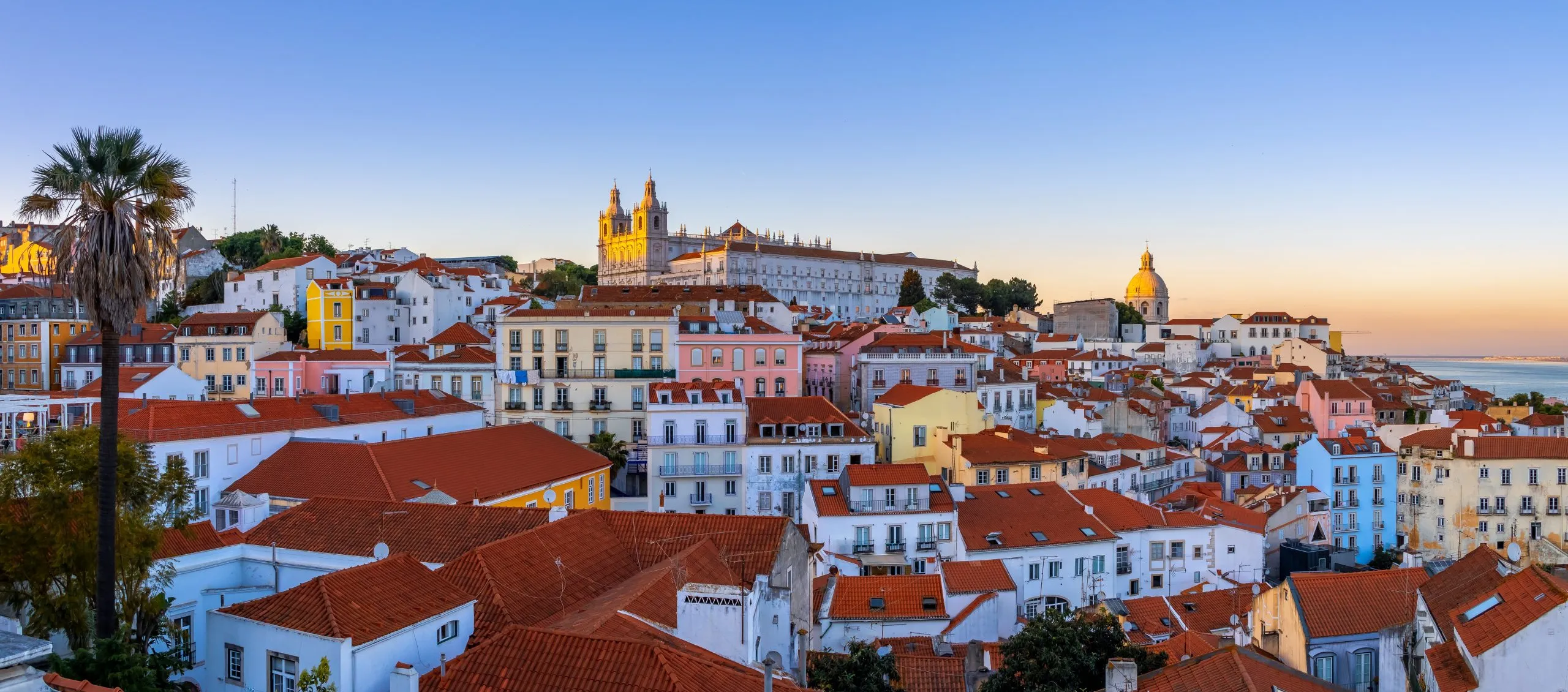
Structural Market Changes: International Demand Remains a Key Driver
What these trends reveal is not merely that “there are more foreigners,” but that Portugal’s real estate market is undergoing a structural transformation. Population inflows have, to some extent, helped offset the pressures of natural population decline within Portugal, while simultaneously supporting sustained housing demand.
At the same time, the participation of international capital has introduced new policy and social considerations, such as rising property prices and housing affordability challenges. Such structural shifts are a typical phase for any open economy attracting international population flows and capital.
Even amid tax policy adjustments and the tightening of the Golden Visa program, international property demand has not significantly cooled. In particular, overseas demand continues to serve as an important pillar of support in the high-end residential and investment property segments.
Understanding these changes is essential for assessing the future trajectory of Portugal’s real estate market.
We will continue to provide data-driven analysis and market insights to help readers better understand the structural evolution and long-term direction of Portugal’s property market.