Over the past few years, Portugal’s real estate market has been undergoing a very noticeable transformation as the government shifts focus toward long-term residential rentals.
A comparison of rental yields across major Portuguese cities in 2026, including Coimbra, Braga, Porto, Lisbon, and the Algarve, with market analysis and investment considerations.
When it comes to the European real estate market, Portugal and Spain are often compared side by side. Located on the Iberian Peninsula, the two countries share many similarities.
Portugal is one of the more open real estate markets in Europe when it comes to foreign investment. There are no nationality restrictions on property ownership.
In Portugal, purchasing property with a mortgage is a common approach for many international buyers. Compared to a full cash purchase, financing involves additional steps.
Global stock markets are advancing to record highs despite rising geopolitical tension in the Middle East, as savvy investors place greater weight on earnings strength and long-term growth drivers than on immediate risks.
As the European economy gradually recovers, Portugal’s real estate market continues to demonstrate strong resilience in 2026.
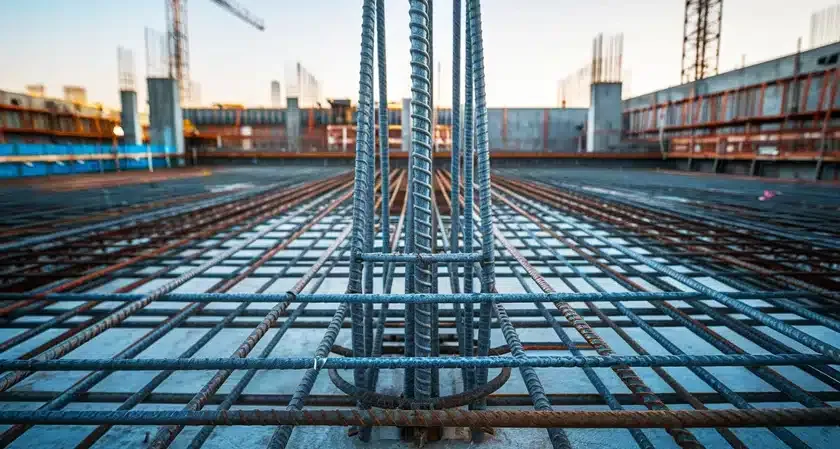
In Portugal, building standards are shaped by both national law and EU technical rules. From structural safety to energy efficiency and final approval, these requirements help explain why European homes are often seen as more durable and reliable over the long term.
In Portugal, a property management company oversees the common areas of a building, while key decisions remain in the hands of the owners. Understanding how condominium management works is important for protecting a property's condition, costs, and long-term value.
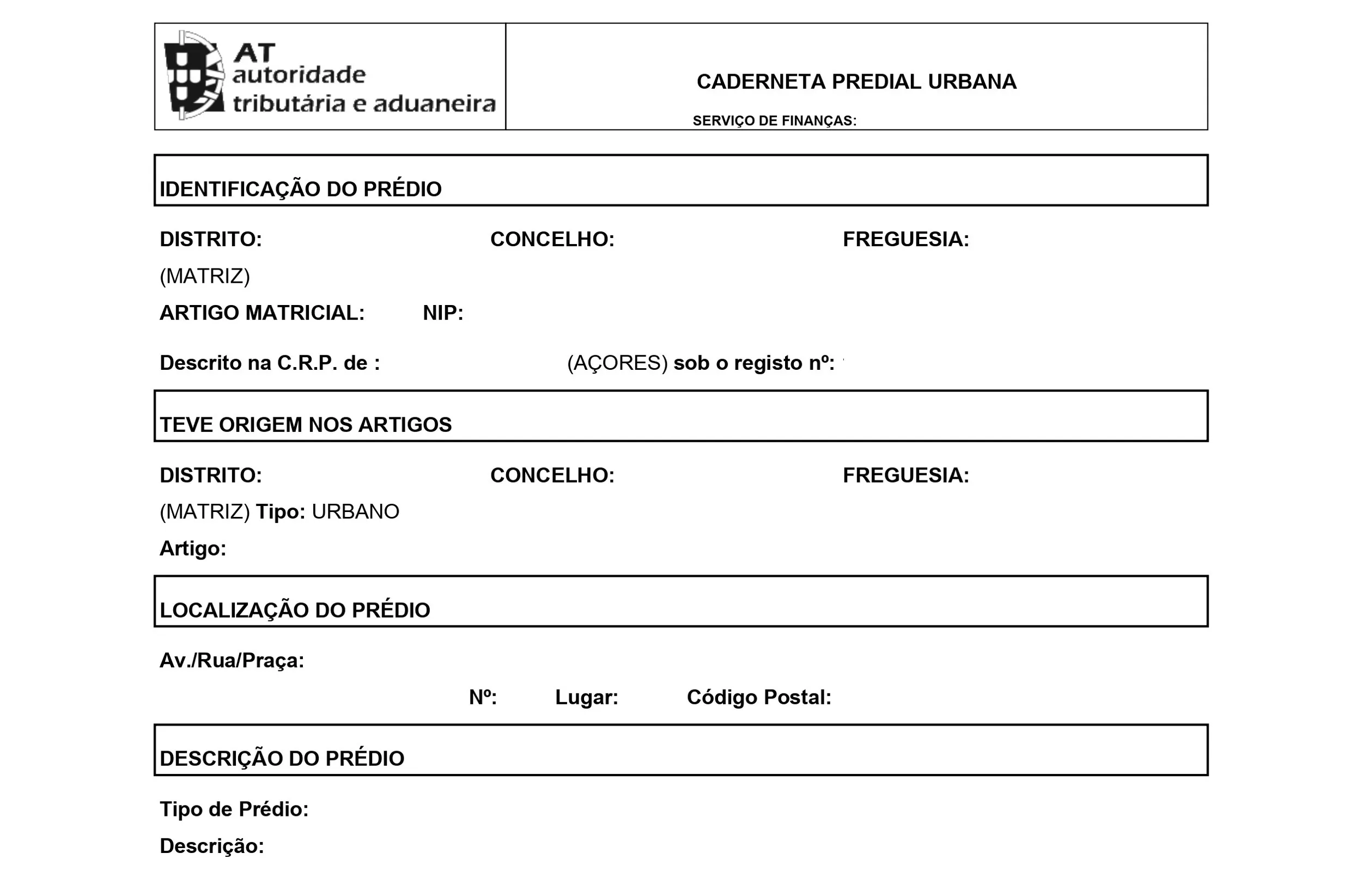
When buying property in Portugal, many people wonder what kind of ownership document they will receive. Unlike some countries, Portugal uses a set of official documents rather than a single unified 'title deed'.
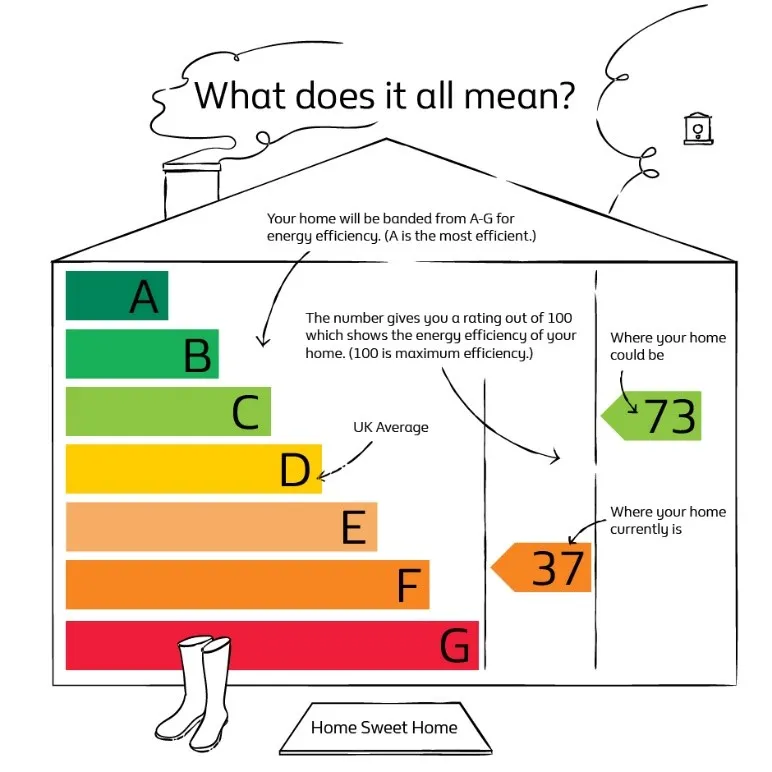
When viewing properties in Europe, many people notice a small detail: listings often include a letter grade ranging from A to G. This seemingly simple label is actually a very important indicator in the European real estate system — the Energy Rating.
As artificial intelligence continues to penetrate across industries, global demand for computing power, data centers, and energy resources is growing rapidly. AI infrastructure is emerging as a core pillar of the next wave of industrial competition, with capital markets accelerating investments in this critical sector and driving companies into a new phase of growth.
Most people think real estate investment is simple: buy a property, collect rent, and wait for it to appreciate.
When browsing property listings in Portugal, you will often come across terms such as Apartment, Moradia, Townhouse, and T1/T2. These labels do more than describe the structure of a property—they also influence living experience, maintenance costs, and even investment potential.
When purchasing property in Portugal, there is an important concept that is often overlooked — property use.
When considering overseas real estate investment, the duration of property ownership is often one of the main concerns for investors. Unlike some countries where property ownership is limited by fixed terms, Portugal operates under a **freehold property system**. This means that once a property is purchased, the ownership is permanent—there is no “70-year expiration” or renewal requirement.
Over the past year, many people living in Portugal or following the local market have noticed a common trend: the cost of living appears to be rising. From everyday grocery shopping to rent and energy bills, several aspects of daily life have become more expensive. This change has sparked widespread discussion—why are prices increasing in Portugal, and what does it reveal about the country’s economic trends?
Entering 2026, Portugal’s tourism industry continues to maintain strong momentum. Over the past year, visitor numbers, accommodation demand, and tourism revenue have all reached record highs, reinforcing tourism as one of the most dynamic sectors of the Portuguese economy.
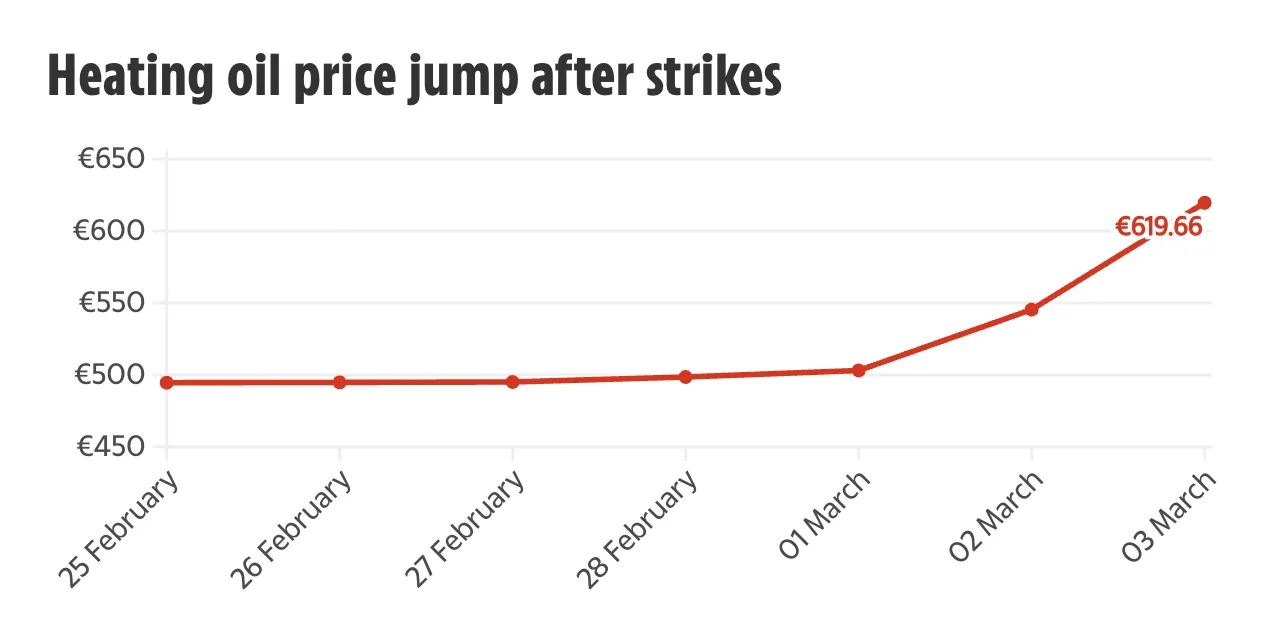
Recently, tensions in the Middle East have escalated once again, with relations between the United States and Iran becoming increasingly strained. Many people’s first reaction may be that this is a regional issue far removed from Europe. However, in today’s highly interconnected global financial system, geopolitical conflicts rarely remain confined to one region. Instead, they tend to influence the global economy and capital flows through multiple channels.
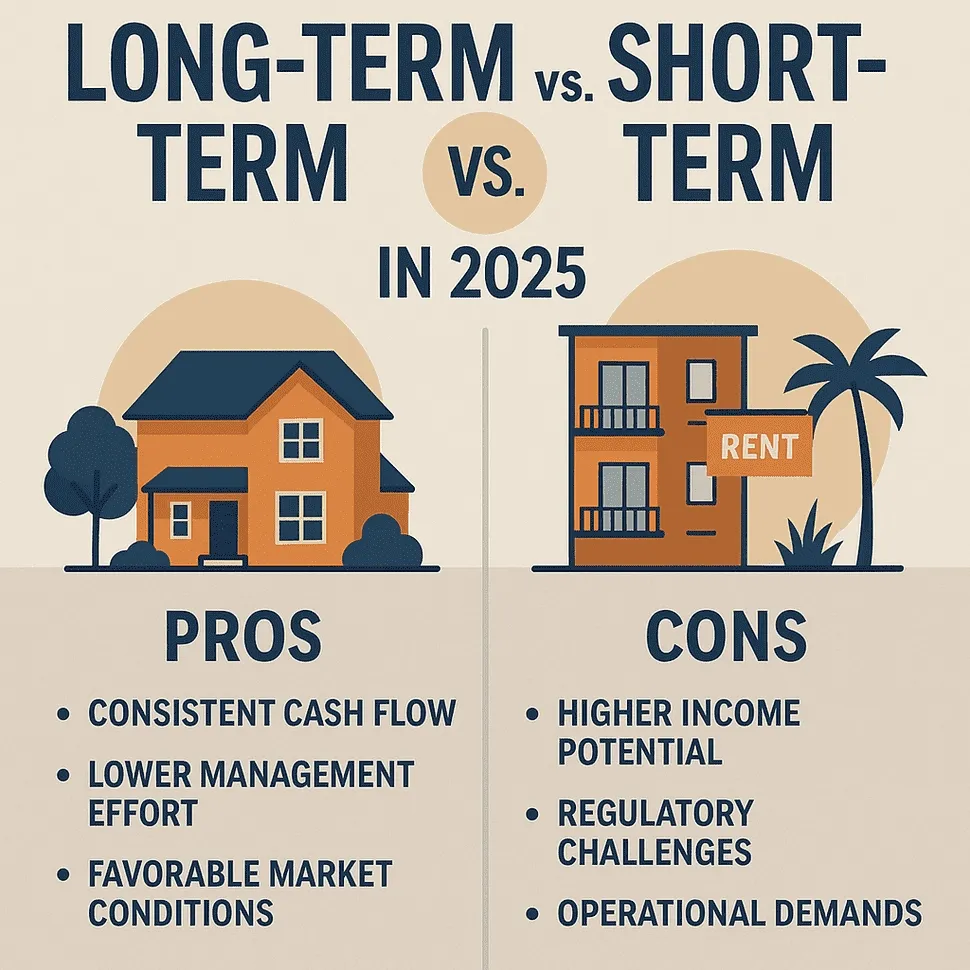
For those considering property investment in Portugal, a common question arises: which approach is more suitable — short-term rentals or long-term leasing?
Based on official statistics and market trends, the influence of international buyers on Portugal’s housing market is indeed continuing to strengthen.
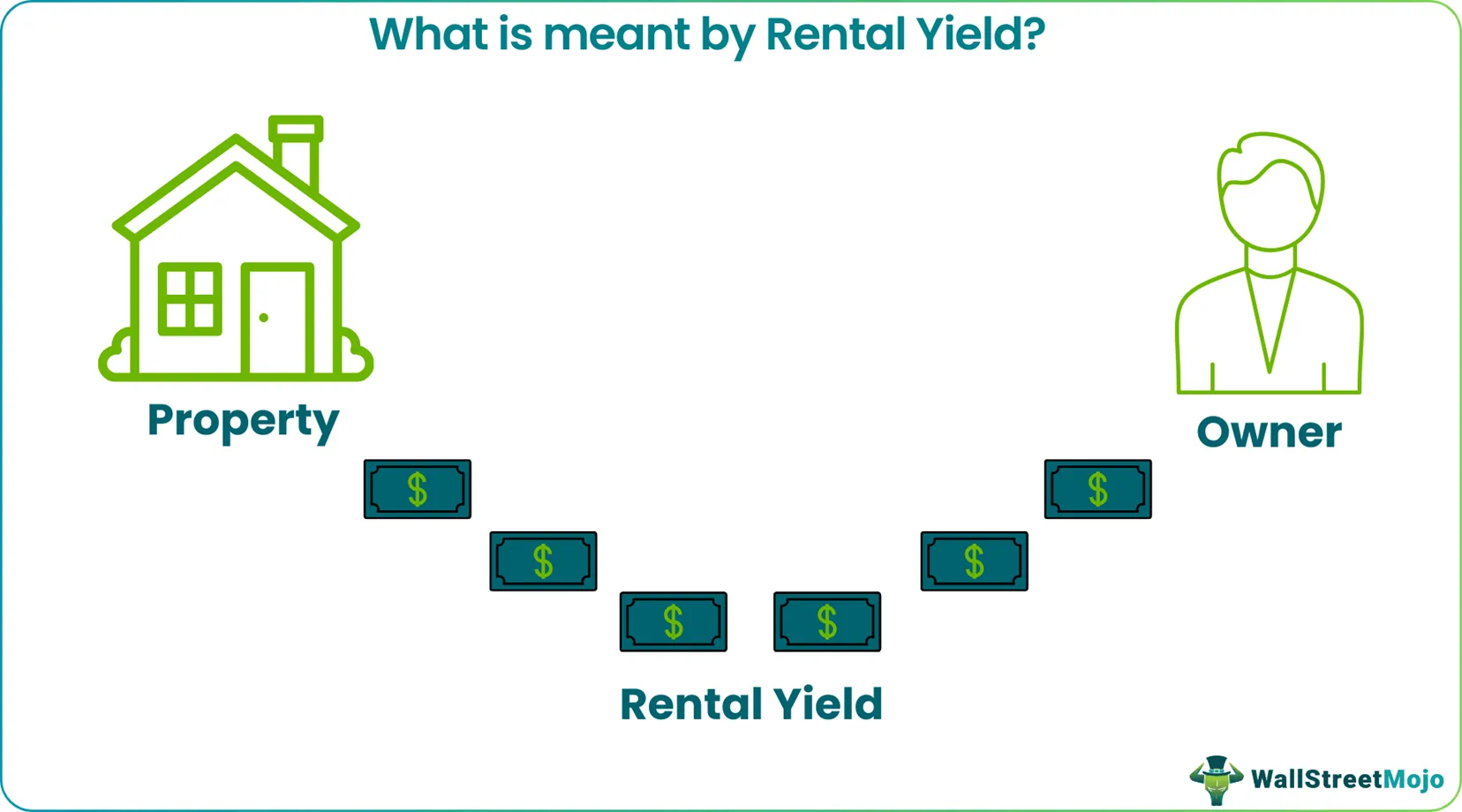
When evaluating overseas property markets, rental yield is often one of the most important indicators.
Many people considering purchasing property in Portugal share the same question: as a foreigner, is it possible to obtain a mortgage?
During the process of buying property in Portugal, there is one term almost every buyer will encounter — CPCV.
A comprehensive breakdown of one-time and recurring taxes when buying property in Portugal.