Short-Term Rental or Long-Term Lease? How to Choose the Right Property Investment Strategy in Portugal
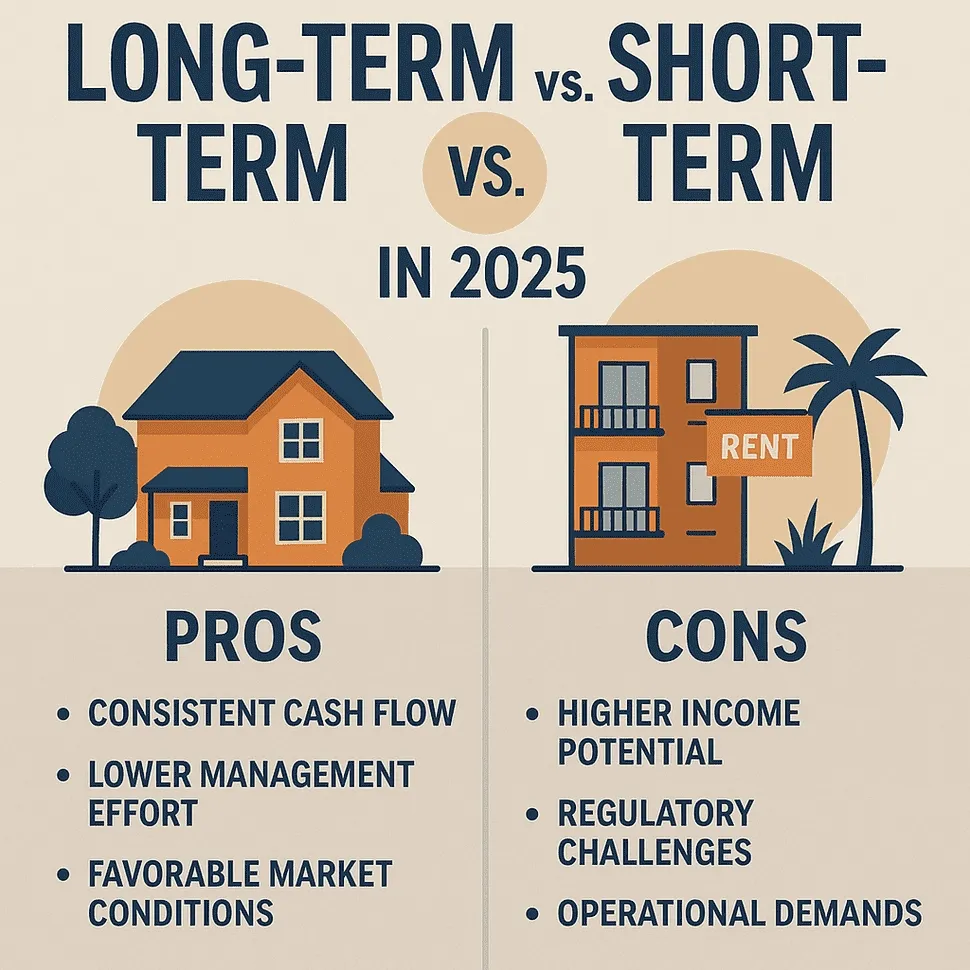
For those considering property investment in Portugal, a common question arises: which approach is more suitable — short-term rentals or long-term leasing?
At first glance, this may seem like a simple comparison of returns. In reality, however, the decision involves investment logic, risk tolerance, and long-term asset planning. Different models serve different financial objectives and are better suited to different types of investors.
From a structural perspective, short-term and long-term rentals represent two fundamentally different strategies.
Short-Term Rentals: Higher Return Potential, Greater Operational Involvement
Short-term rental platforms such as Airbnb offer natural advantages in tourism-driven cities. In popular destinations like Lisbon and Porto, rental rates can increase significantly during peak travel seasons, with some properties generating several times their off-season income.
The appeal of this model lies in its income flexibility. For investors seeking to maximize cash flow efficiency, short-term rentals can offer attractive return potential.
However, short-term rental income is not passive. It operates more like a business.
Properties require continuous maintenance, cleaning, guest communication, and review management. Occupancy rates fluctuate seasonally, and regulatory frameworks are becoming increasingly strict. In other words, higher returns often come with higher operational demands and greater volatility.
For investors willing to dedicate time — or engage professional management — short-term rentals can be a compelling option. But they require stronger execution capability and a higher tolerance for risk.

Long-Term Leasing: Stable Cash Flow, Suited for Long-Term Allocation
By contrast, long-term leasing aligns more closely with traditional real estate investment principles.
Lease terms are typically extended, tenants are more stable, and income is more predictable. Management is generally less intensive. For investors focused on overseas asset allocation, capital preservation, and steady returns, long-term rental provides a balanced approach.
Naturally, rental yields per unit are usually lower than short-term models, with average returns commonly ranging between 3% and 4%. However, the key advantage lies in reduced volatility and controlled risk exposure.
Against the backdrop of continued population inflows into Portugal in recent years, housing demand remains structurally supported. From the perspective of capital preservation and sustainable income, long-term leasing remains aligned with long-term investment fundamentals.
Are There Only Two Options?
In practice, there is also a professionalized model positioned between traditional short-term and long-term rentals.
For example, serviced apartments or professionally managed residential projects offer centralized operations. Professional teams oversee leasing, maintenance, and tenant management. Investors are not required to participate in daily operations, while benefiting from optimized rental structures.

The core advantages of this model include:
- Reduced personal management burden
- Improved rental efficiency
- Greater transparency in income structure
For investors seeking a balance between return and stability, this model provides a middle ground between operational intensity and steady cash flow.
The Key to Investment Decisions Is Alignment, Not Maximum Return
Short-term rentals suit investors willing to accept income fluctuations in pursuit of higher yield potential. Long-term leasing is better suited for those prioritizing stability and long-term planning. Professionally operated projects appeal to investors aiming to reduce management complexity while maintaining sustainable returns.
Rather than focusing solely on which model is “more profitable,” the more important questions are:
What are your financial objectives? What level of risk can you comfortably accept? How much time are you willing to dedicate to property management?
Portugal’s real estate market continues to mature, and investment pathways are becoming increasingly diversified. Sound investment decisions are rarely about chasing the highest returns — they are about selecting the strategy that best aligns with your financial structure and long-term plans.
When the investment logic is clear, asset allocation becomes naturally more stable and sustainable.