Property Buying Guide in Portugal: How the Law Defines Property Use

When purchasing property in Portugal, there is an important concept that is often overlooked — property use.
Property use refers to the official designation recorded in the property’s legal documentation. It determines what the property can legally be used for: residential living, commercial activities, storage, or land development. For buyers, understanding the designated use is crucial, as it affects whether the property can be legally lived in, rented out, or used for business purposes. It can also influence future usage, investment value, and regulatory compliance.
How Is Property Use Determined?
In Portugal, the intended use of a property is usually defined during the planning or land approval stage of a project. The designation is approved and registered by the local municipal authority.
This information is recorded in official documents, such as the property registration certificate and the usage license.
As a result, once a property is built and enters the market, its usage category has already been legally defined. When purchasing property, buyers should always verify the designated use to ensure that their intended purpose complies with Portuguese regulations.
Common Property Use Categories
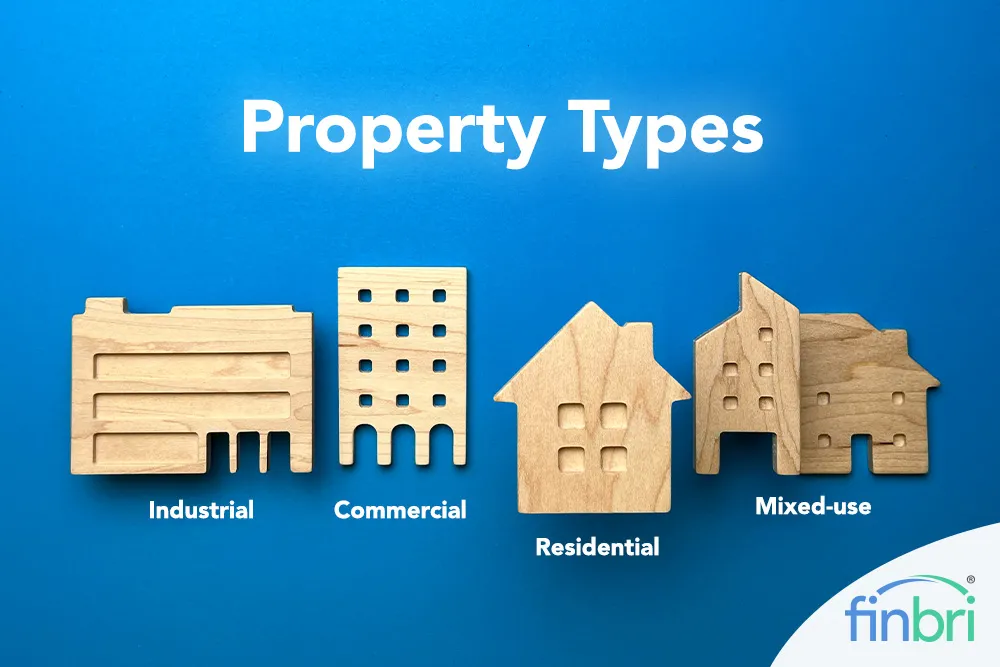
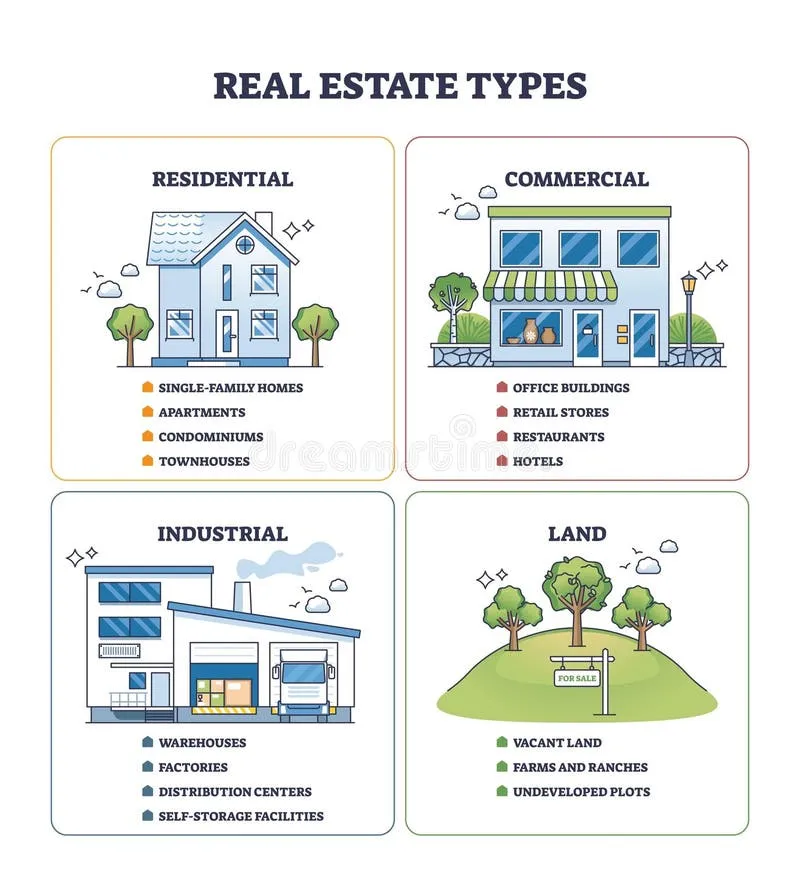
Under Portuguese law, property uses generally fall into several main categories:
Residential Use
This is the most common type of property. Only properties designated as residential can legally be used for long-term living or family housing. Residential properties can also be legally rented out and may serve as a valid address for residency applications and other administrative procedures.
However, residential properties generally cannot be used for direct commercial activities, such as operating restaurants, shops, or other business operations.
Commercial Use
Commercial properties are intended for business activities such as retail stores, restaurants, cafés, beauty salons, and other types of street-level businesses. These properties are typically located in commercial districts or city centers.
Service Use
Service properties are designed for businesses with specific operational functions, such as medical clinics, gyms, hotels, or serviced apartments. These properties are generally used for business operations rather than traditional residential living.
Office Use
Office properties refer to business or corporate office spaces, commonly located in office towers or mixed-use commercial buildings. These spaces are typically used by companies or professional organizations.
Warehouse or Industrial Use
These properties are used for storage, logistics, or manufacturing activities. They generally do not meet residential standards and cannot legally be used for housing.
Land
Land is typically classified into two categories: urban development land and agricultural land.
Urban development land can be used to build residential or commercial properties, while agricultural land is primarily intended for farming, forestry, or natural uses and generally cannot be used for residential construction.
Can Property Use Be Changed?
Although property use is clearly defined by law, it is not necessarily permanent.
In Portugal, it is possible to apply for a change of property use through a formal legal process. For example, in some cases commercial spaces may be converted into residential units. However, such changes require approval from the local municipality, and the property must meet residential standards, including requirements for natural light, ventilation, safety, and fire regulations.
In recent years, due to housing shortages in some cities, certain municipalities have encouraged the conversion of commercial spaces into residential units and have simplified some approval procedures.
At the same time, in major tourist destinations such as Lisbon and Porto, regulations for converting residential properties into short-term rentals or tourist accommodations have become stricter, with new registrations suspended in some areas. In smaller towns or non-restricted zones, however, such applications may still be permitted.
Understanding Property Use Is a Key Step Before Buying
Property use is not just a legal classification — it also directly affects financing conditions, market liquidity, and long-term investment value.
Residential properties are usually the easiest to finance through bank mortgages. Most Portuguese banks primarily offer mortgage loans for residential properties, often with more favorable loan-to-value ratios and interest conditions. For buyers seeking a home or a long-term rental investment, residential properties generally offer stronger liquidity and more stable market demand. From an investment perspective, they are also the easiest type of property to resell.
Commercial and service properties, on the other hand, are typically better suited for operational investments such as retail shops, restaurants, medical facilities, or serviced apartments. These properties can sometimes offer higher rental yields but are more dependent on location, business environment, and operational performance. Banks also tend to apply stricter lending criteria for commercial properties.
For this reason, when purchasing property in Portugal, understanding the designated use of the property is essential. It determines not only whether the property can be legally used as intended but also influences financing options, investment returns, and future resale value.
Having a clear understanding of these regulations allows buyers to plan the use of their property more effectively while ensuring full compliance with local laws and urban planning rules.