The Portugal Effect: One Investment, Four Layers of Returns

Most people think real estate investment is simple: buy a property, collect rent, and wait for it to appreciate.
However, from a global asset allocation perspective, the value of a real estate investment often goes far beyond that. When structured properly—especially in an international context—a single investment can generate multiple layers of returns.
Portugal is a strong example of how this works in practice.
From a broader investment framework, Portuguese real estate can combine four key dimensions within one asset: tangible asset ownership, currency diversification, cash flow generation, and reinvestment flexibility.
Layer One: The Long-Term Value of Tangible Assets
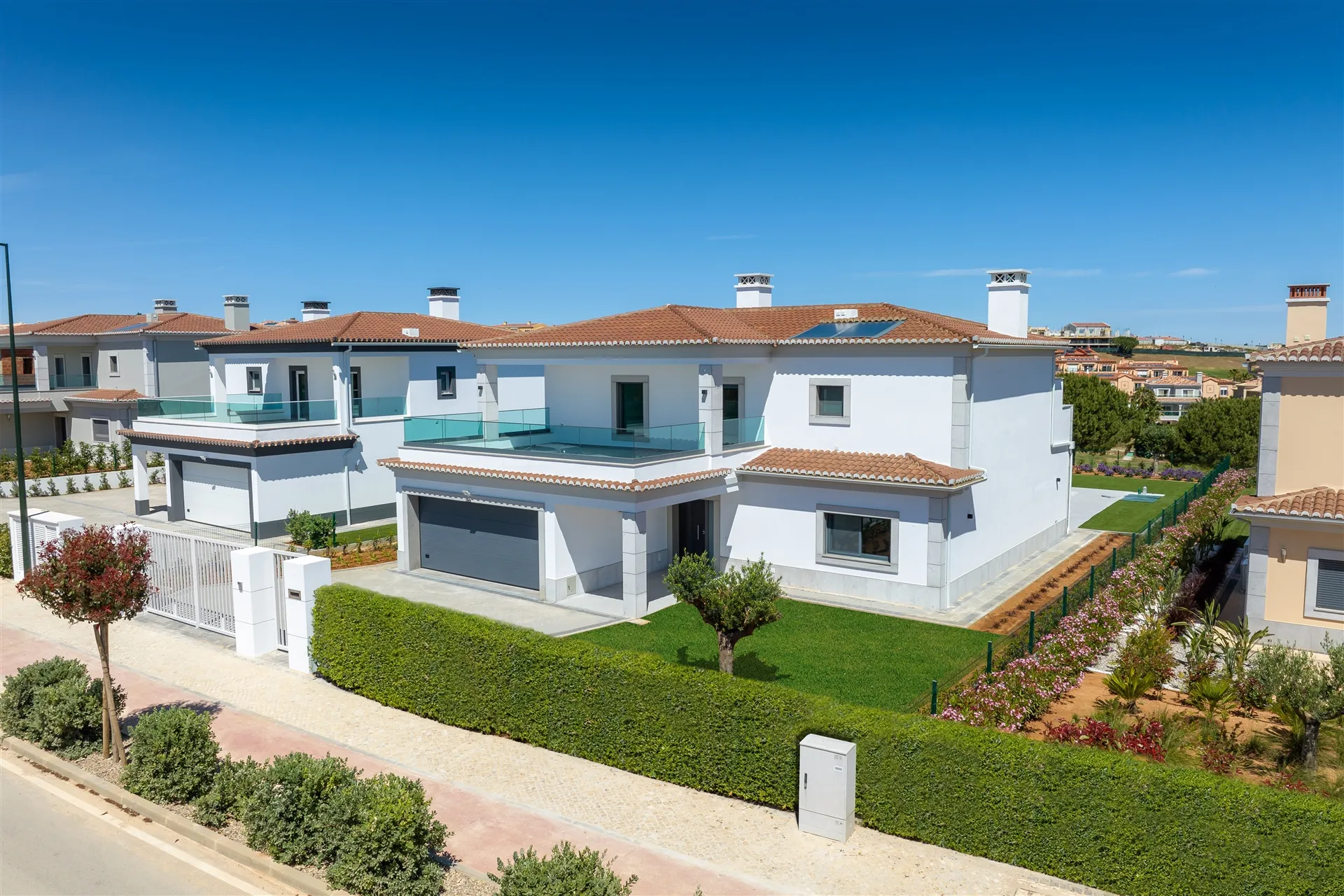
At its core, real estate is a tangible asset closely tied to real-world demand. Regardless of economic cycles, housing, office space, hotels, and tourism infrastructure remain fundamental to any functioning economy.
In recent years, Portugal’s global appeal has continued to grow. Tourism remains strong, infrastructure continues to improve, and international population inflows are increasing. These factors collectively support long-term demand for real estate.
For investors, this means opportunities extend beyond residential property to include hospitality assets, mixed-use developments, and income-generating commercial real estate supported by long-term demographic and economic trends.
Layer Two: Currency Diversification
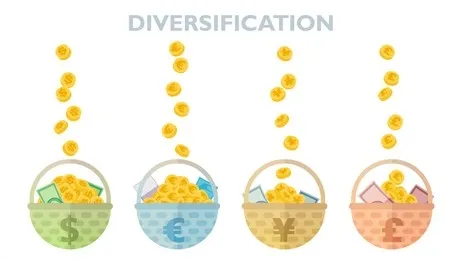
Real estate transactions in Portugal are typically conducted in euros. For international investors, this introduces an additional layer of currency diversification.
For example, for investors whose base currency is the US dollar, exchange rate movements can influence overall asset value. If the euro strengthens against the dollar, the value of the property—when converted—may increase even if local prices remain unchanged.
While currency fluctuations work in both directions, this dynamic adds a macro-level diversification component that is often overlooked in traditional real estate investments.
Layer Three: Consistent Cash Flow

Unlike many long-term investments that require waiting for an exit to realize returns, real estate can generate ongoing income.
In Portugal, the continued growth of tourism and the service economy has increased demand for short-term rentals, serviced apartments, and certain types of commercial properties. These assets can respond more quickly to market conditions and, in some cases, allow for more flexible pricing adjustments.
For investors, this creates a steady income stream, rather than relying solely on future capital appreciation.
Layer Four: Reinvestment and Portfolio Flexibility
The final layer lies in optionality.
Rental income can be reinvested into other assets, used to optimize portfolio allocation, or applied toward debt reduction. Over time, this flexibility allows investors to benefit from compounding returns.
Compared to strategies that depend solely on property price appreciation, a multi-path return structure provides greater long-term resilience.
Why Portugal?
From a global perspective, Portugal sits at the intersection of several key trends.
On one hand, lifestyle migration continues to grow, with more international residents choosing to live in Portugal long-term. On the other, the expansion of tourism and the service sector continues to support strong and sustained demand in the real estate market.
As a member of both the European Union and the Schengen Area, Portugal offers a stable legal framework and a mature market environment. It continues to attract investors from the United States, the United Kingdom, Brazil, and across Europe.
For experienced investors, the opportunity is not simply about purchasing property—it is about using a single market to achieve multi-dimensional asset allocation.