What Is the Energy Rating of Properties in Europe? A Key Factor for Buyers and Renters
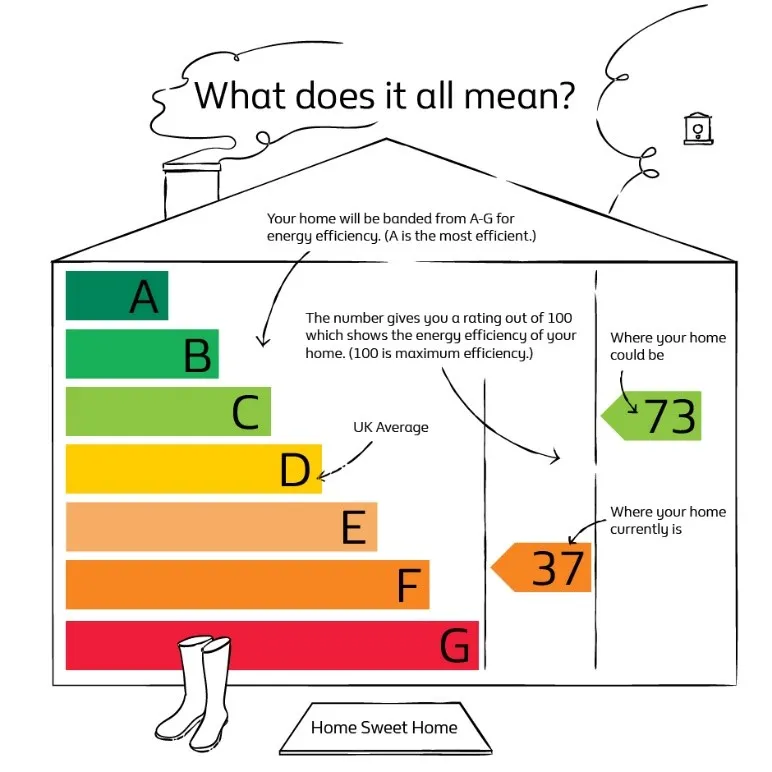
When viewing properties in Europe, many people notice a small detail: listings often include a letter grade ranging from A to G. This seemingly simple label is actually a very important indicator in the European real estate system — the Energy Rating.
For those new to the European property market, this indicator is often overlooked. However, it not only affects living comfort, but also has a direct impact on long-term living costs and the investment value of a property.
The energy rating of a property is essentially a comprehensive assessment of its energy efficiency. It evaluates factors such as heating, cooling, hot water, and overall energy consumption. The scale typically ranges from A+ to G:
- A+ and A indicate the highest efficiency and lowest energy consumption
- B and B- represent good efficiency
- C and D are considered average and are common in the market
- E, F, and G indicate lower efficiency and higher energy consumption
This certification is issued by authorized professionals and is a mandatory document when selling or renting a property. As such, it carries clear legal and market significance across Europe.
From a practical living perspective, the difference between energy ratings can be clearly felt. High-efficiency homes usually offer better insulation and temperature regulation, making them warmer in winter and cooler in summer, with a more stable indoor environment. In contrast, lower-rated properties often suffer from heat loss and temperature fluctuations, which can become especially noticeable during extreme weather conditions.
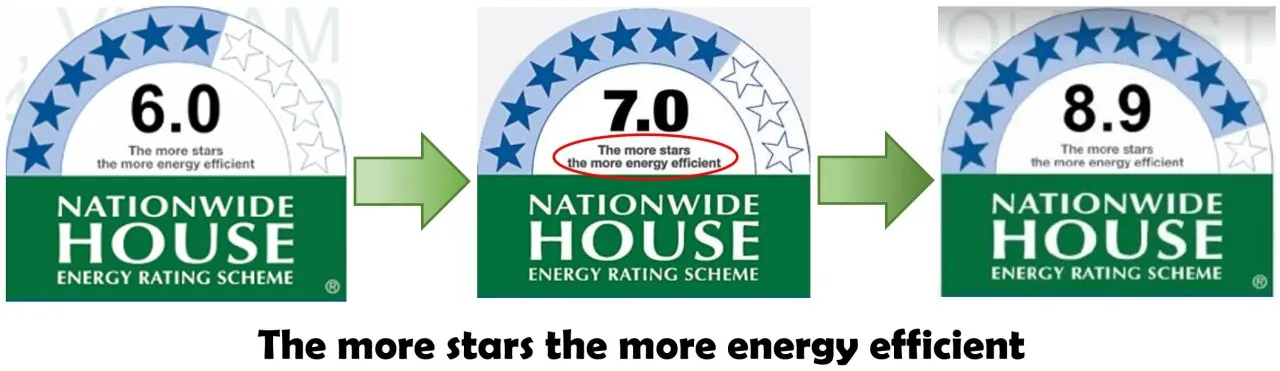
These differences also translate directly into living costs. Higher energy efficiency typically means lower electricity and heating expenses, while lower-rated properties require more energy to maintain comfortable conditions. Over time, this can significantly increase ongoing costs, especially for long-term residents.
From a market perspective, the importance of energy ratings continues to grow. As European environmental policies and energy standards become stricter, some countries have begun to impose tighter regulations on low-efficiency properties, such as limiting their eligibility for rental or encouraging energy upgrades. As a result, properties with higher energy ratings tend to be easier to rent out, retain value better, and remain more competitive in the resale market.

With Europe’s ongoing transition toward more sustainable energy systems, energy ratings are gradually evolving from a technical indicator into a key factor influencing property value. They not only affect comfort, but also play an increasing role in pricing, liquidity, and long-term investment returns.
For anyone planning to buy or rent property in Europe, understanding this concept is an essential first step before entering the market.