Portugal’s Real Estate Market Enters a New Phase
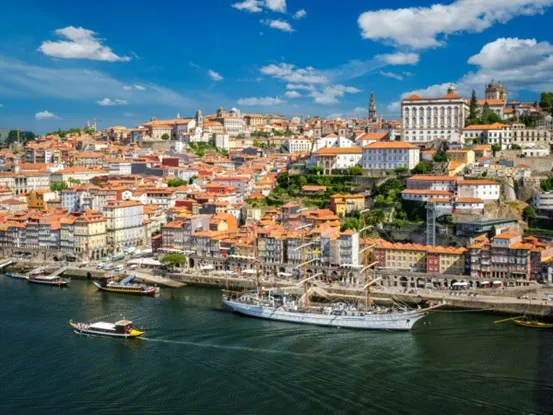
Those who have closely followed Portugal’s real estate market over the years recognize that the sector is entering a new phase. This does not signal the end of the growth cycle, but rather a transition toward a more stable, higher-standard stage of development with continued positive prospects.
After two consecutive years of double-digit growth, Portuguese residential prices once led Europe. In 2024, housing prices rose by 11.5%. In 2025, growth exceeded 15%, more than double the European average. Current forecasts suggest that price growth may moderate to around 7% this year, easing further to between 5% and 5.5% over the following two years. Even so, Portugal’s price performance is still expected to rank among the top three in Europe.
This adjustment in growth reflects a market that is gradually maturing and stabilizing. Demand is supported not merely by short-term momentum, but by underlying structural factors. Demographic shifts, an increase in the number of households, and a persistent supply shortage continue to drive strong demand. While Europe faces broader population aging, housing demand growth has significantly outpaced population growth. In Portugal, the housing shortage is particularly evident: for every six homes sold, only one is completed. This supply-demand imbalance remains a key driver of price pressure.
Although market valuations have drawn attention, current conditions primarily reflect structural tensions between limited supply and sustained demand. Future market balance will depend on increasing housing supply, accelerating permitting processes, and improving construction efficiency.
At the same time, real estate investment demonstrates strong confidence. In 2025, total property investment reached €2.8 billion, up 22% year-on-year and above the average of the past decade. Offices, retail, and hospitality assets attracted the majority of capital flows. Yields have remained stable, with certain segments—such as logistics—showing potential for further compression.
Lisbon remains the most expensive city, with prices exceeding €6,000 per square meter. However, market dynamism is no longer confined to major metropolitan areas. District capitals such as Guarda, Beja, and Santarém recorded price increases of more than 20%. In the Azores and Madeira, several islands have also posted notable growth. The Portuguese real estate market is evolving from a concentrated model to a more nationwide expansion.
In the residential segment, the median price has surpassed €3,000 per square meter. Although interest rates have stabilized and further cuts appear limited, controlled unemployment levels and relatively stable incomes continue to provide support to the sector.
External factors, including global economic uncertainty or recent extreme weather events, may influence market sentiment to some extent. Nevertheless, viewed from a broader perspective, Portugal’s real estate market has evolved from an emerging destination into a more mature and resilient market. The current focus is no longer on rapid expansion alone, but on achieving balanced and sustainable growth supported by strong underlying demand.
Reference link: https://www.theportugalnews.com/news/2026-02-22/portuguese-real-estate-does-not-slow-down-but-it-changes-pace/976855
For more details, please refer to: https://adlinvestment.com/en/about/