The forces that redefine real estate, and why Portugal is at the center of this redefinition
The real estate market is no longer shaped by cycles alone.
It is being reshaped by forces that are deeper, more structural, and far more interconnected than anything we have seen before. What we are witnessing today is not just another phase of growth or correction, but a transformation driven by four powerful megatrends: complexity, demography, sustainability, and artificial intelligence.
The world has become inherently more complex. Political uncertainty, geopolitical tensions, and economic volatility are no longer exceptions; they are part of everyday reality. For investors, this changes everything. Traditional strategies based on predictable cycles are becoming less effective, and success increasingly depends on adaptability, risk awareness, and long-term thinking. Real estate, once seen as a stable and somewhat linear asset class, is now deeply influenced by global dynamics that move faster and in less predictable ways.
At the same time, demographic shifts are redefining demand. Urbanisation continues to accelerate, with projections indicating that nearly 70% of the world’s population will live in cities by 2050. This represents billions of new urban residents and an unprecedented need for housing and infrastructure. While this growth is concentrated in regions such as Asia and Africa, Europe faces a different challenge, like ageing populations and the need to attract talent and maintain economic vitality.
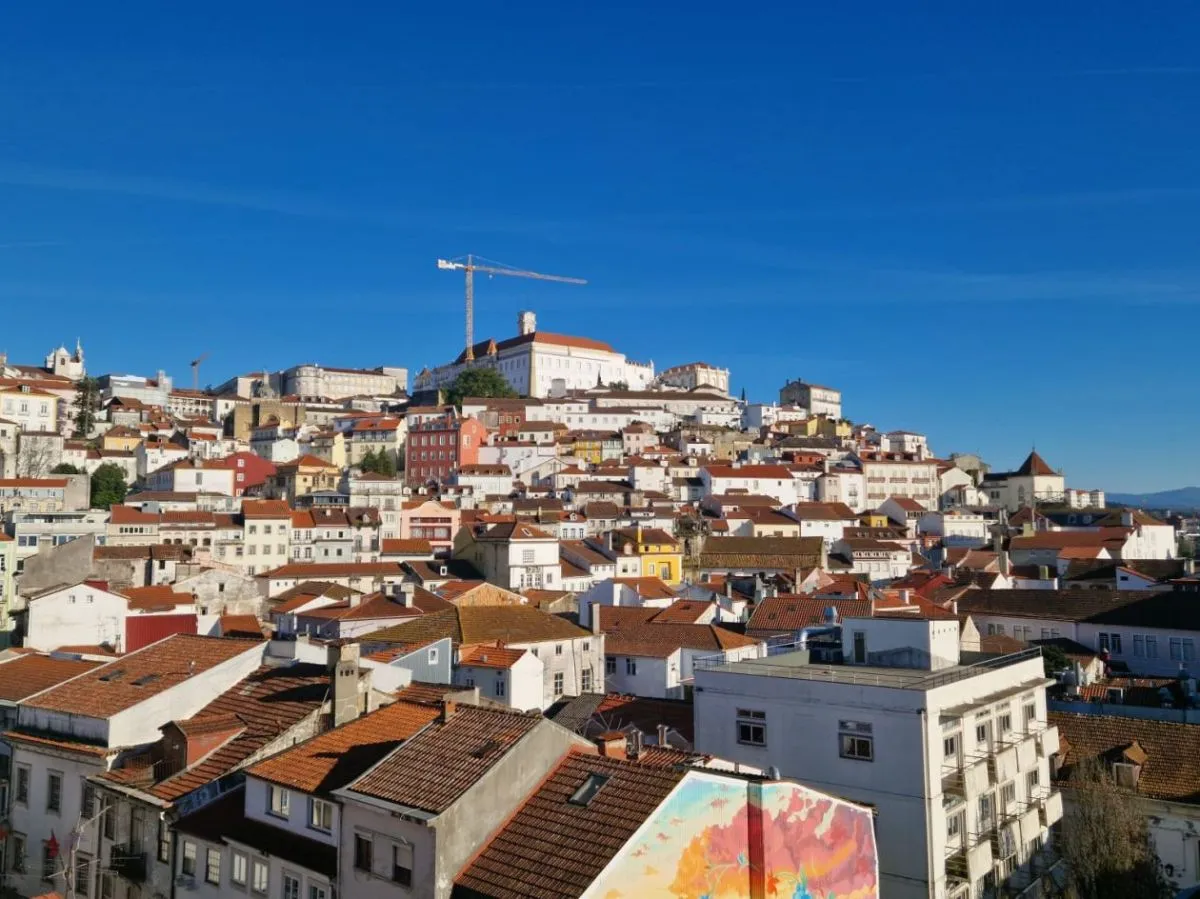
Portugal sits at an interesting intersection of these trends. It is part of a mature European market, yet it continues to attract international residents and investors. It offers stability, lifestyle, and connectivity, but also faces pressure on housing, infrastructure, and urban planning. The challenge is not only to grow, but to grow in a way that remains sustainable and inclusive.
Sustainability is no longer just an ethical concern. It has become a financial reality. Buildings with strong environmental credentials are achieving higher rental values and stronger long-term performance. Investors are increasingly aware that sustainability is directly linked to risk, regulation, and asset value. In a world where the built environment is expected to double in the coming decades, the way we build will define not only returns but also the limits of our resources.
This is where technology, and particularly artificial intelligence, enters the equation. The real estate sector is being transformed by PropTech, data and digital systems that improve efficiency, reduce costs, and enhance decision-making. From energy management in buildings to predictive analytics in investment strategies, technology is becoming central to how the sector operates. At the same time, entirely new asset classes are emerging, particularly data centres and digital infrastructure, driven by the exponential growth of AI.
Portugal is already positioning itself within this shift. Projects linked to data infrastructure, energy transition and technology are gaining momentum, reinforcing the country’s role in a rapidly evolving global landscape. The opportunity is clear, but so is the responsibility. Growth must be aligned with long-term strategy, infrastructure capacity, and housing accessibility.
These megatrends do not act in isolation. They reinforce each other. Urbanisation drives demand, sustainability defines how we respond, technology enables solutions, and complexity shapes the environment in which all of this unfolds.
For investors, developers and policymakers, the message is simple.
Real estate is no longer just about location. It is about understanding the forces shaping the future.
For more details, please refer to: https://adlinvestment.com/en/about/