Portugal Unveils National Data Centre Plan, Seen as Potential Turning Point for Digital Economy
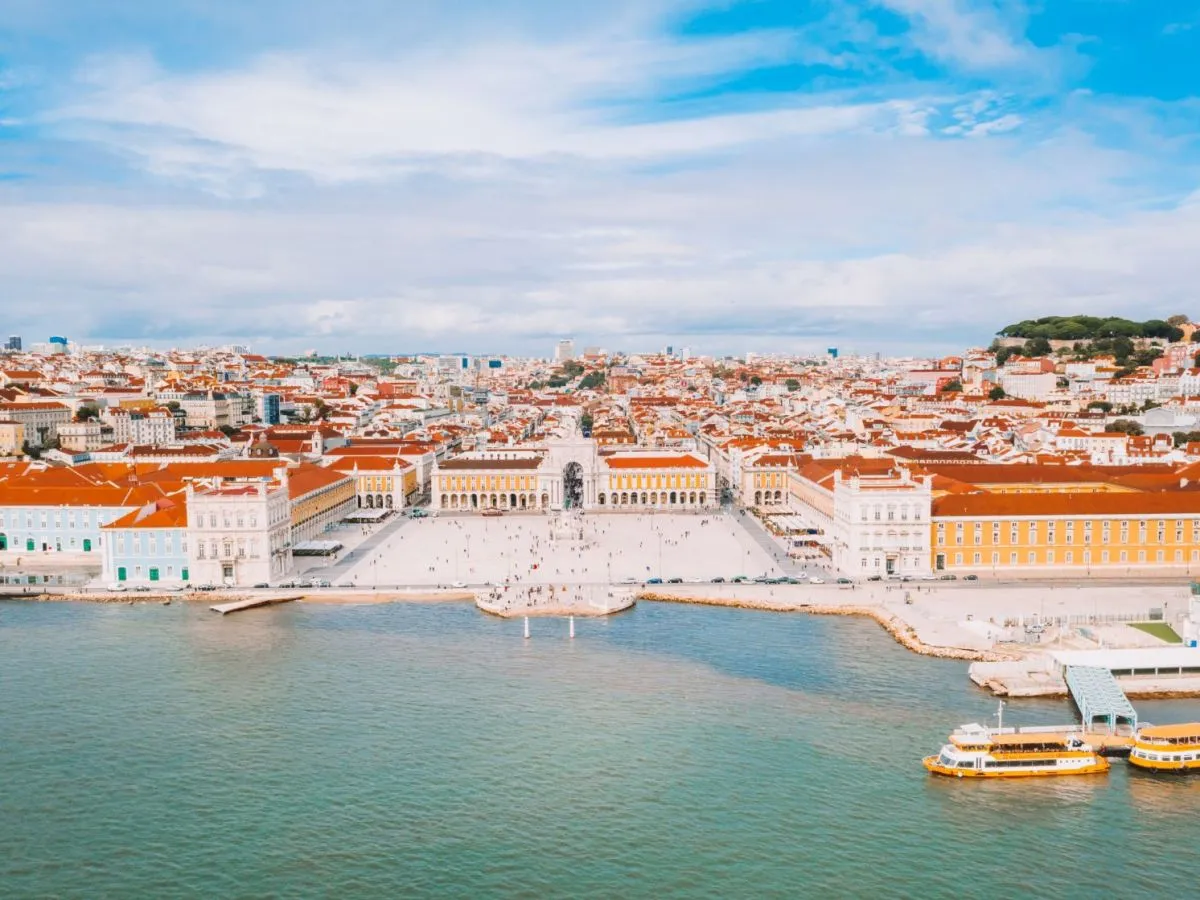
Amid growing global demand for digital infrastructure, Portugal has recently launched a national data centre development plan, drawing significant market attention. Industry observers widely believe that the initiative goes beyond a single industrial policy, signalling a strategic repositioning of Portugal within the digital economy.
Although such policies do not always make immediate headlines, their impact is often long-term. The plan comes at a time when international interest in Portugal’s data centre and digital infrastructure landscape is steadily increasing. Just days ago, similar themes dominated discussions at the SIS 2026 Summit, further highlighting the sector’s rising importance in the global economic landscape.
What makes this relevant is not simply that the government wants to attract more data centres. It is that, for the first time, computing infrastructure is being treated as something of national importance, linked to competitiveness, digital sovereignty and investment strategy. That is a significant shift. For years, one of the main concerns raised by operators and investors has been the gap between Portugal’s potential and its ability to execute. Strong energy fundamentals, geographic positioning and growing international interest have existed for some time, but bureaucracy, permitting delays and uncertainty around power access have often slowed progress. This plan directly addresses those issues.
The decision to create a coordinated framework involving government, regulators, municipalities, the grid and AICEP as a central point of contact is particularly important. In large-scale infrastructure, predictability is often as important as incentives. Investors want clarity. They want speed. And increasingly, they want markets that understand how critical time-to-power and time-to-market have become. Portugal appears to be responding to that reality.
Another significant feature is that the focus is on surveying suitable land, aligning projects with energy infrastructure and connecting development to renewable acceleration zones. This is not just planning. It is an acknowledgement that the future of data infrastructure is inseparable from energy strategy. In a world where artificial intelligence, cloud computing and digital services are driving unprecedented demand for computing capacity, access to sustainable power is becoming one of the most decisive factors in where investment flows.
From my perspective, and having followed this sector closely for years, what makes this particularly interesting is that Portugal now seems to be moving from being seen as a market with promise to a market with a framework. That is a very different message to send internationally. With projects like Start Campus already changing perceptions, and with new interest emerging in other parts of the country, this plan could help turn momentum into structure.
Of course, the real test will be execution. Plans alone do not build infrastructure. But strategy matters, especially when it creates confidence. And confidence is what attracts long-term capital.
For a country that has spent years building strengths in renewable energy, connectivity and international investment, recognising data centres as part of that broader economic story may prove to be a turning point. Because this is no longer only about servers or storage. It is about the infrastructure behind the next economy.
Reference link: https://www.theportugalnews.com/news/2026-05-05/portugals-data-center-plan-could-be-a-turning-point/1013357
For more details, please refer to: https://adlinvestment.com/en/about/