Rising Prices in Portugal? A Market Perspective for Investors
Over the past year, many people living in Portugal or following the local market have noticed a common trend: the cost of living appears to be rising. From everyday grocery shopping to rent and energy bills, several aspects of daily life have become more expensive. This change has sparked widespread discussion—why are prices increasing in Portugal, and what does it reveal about the country’s economic trends?
From a broader perspective, this phenomenon is not merely about rising living costs. It also reflects deeper changes in Portugal’s economic structure and market demand.
Inflation Data: Moderate Overall, but Noticeable in Daily Life
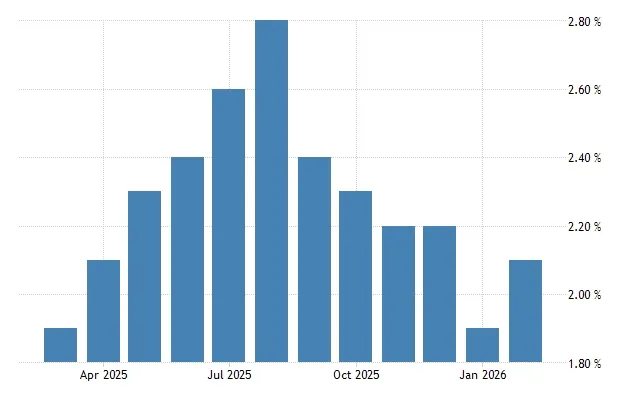
According to official data, Portugal’s overall inflation level remains relatively moderate. In 2025, the annual inflation rate stayed roughly between 2% and 3%, which is considered stable compared with many other European Union countries.
However, in everyday life, residents often feel price changes more strongly. Expenses closely tied to daily living—such as food, housing, and energy—have all experienced varying degrees of increase.
Take food prices as an example. In recent years, the Portuguese government introduced temporary measures such as reducing taxes on certain essential food items to ease the cost of living for households. As these temporary measures gradually phased out, some prices returned to regular market levels. For many families, purchasing the same basket of everyday groceries now costs several euros more each month than it did previously.

Beyond food, rents, electricity costs, and certain service-related expenses have also risen to some extent. Combined, these changes have made the increase in living costs more noticeable for many households.
Demand Growth as a Key Driver of Price Changes
The rise in prices in Portugal cannot be attributed to a single factor. Instead, it is the result of multiple structural drivers, including tourism growth, the interest-rate cycle, and housing supply constraints.
First, tourism demand continues to expand. According to the latest statistics, Portugal welcomed approximately 32.5 million visitors in 2025, generating around 82.1 million overnight stays, once again setting a new record. The continued strength of the tourism sector has kept demand high for accommodation, restaurants, and related services. In popular cities such as Lisbon, Porto, and the Algarve region, the influx of visitors has directly contributed to rising prices in certain services and consumer sectors.

Second, the interest-rate cycle has also played a role. Although the European Central Bank has begun gradually entering a rate-cutting phase, the effects of the previous tightening cycle are still being felt across the market. Higher borrowing costs over the past few years have increased financing expenses for both households and businesses, influencing home affordability and investment decisions. Even though interest rates are slowly declining, the market is still transitioning from a high-interest-rate environment toward more normalized levels.
Another key factor is housing supply constraints. In recent years, Portugal has experienced continued population growth alongside strong international migration. At the same time, the pace of new housing construction has remained relatively limited. As a result, the supply of available housing remains tight. In such an environment of supply-demand imbalance, housing prices and rents are unlikely to decline significantly in the short term.
What Does This Mean from an Investment Perspective?
When many people see prices rising, they often interpret it as a sign of economic pressure. From an investment perspective, however, price increases do not necessarily indicate a deteriorating market environment.
First, Portugal’s inflation level remains within a manageable range. An inflation rate of 2% to 3% is generally considered healthy in the European context, suggesting that demand is growing without signs of uncontrolled price increases.
Second, it reflects increasing market activity. Tourism demand, population mobility, and the development of the service sector are all contributing to stronger economic activity and consumer spending.

Looking at the longer-term picture, several important trends are emerging.
The first is macroeconomic stability. In recent years, Portugal has demonstrated solid fiscal discipline and steady economic recovery. A moderate inflation environment suggests that the overall economic structure remains relatively healthy.
Second, international capital continues to flow into the country. As a member of both the European Union and the Schengen Area, Portugal benefits from a stable legal framework and an open investment environment. In recent years, investors from Europe, the United States, and Asia have increasingly shown interest in the Portuguese market.
Third, the country’s industrial structure is gradually evolving. Sectors such as renewable energy, technology innovation, and tourism services continue to expand, creating new growth momentum within the European economic landscape.
Overall, the current rise in prices in Portugal reflects economic recovery and growing demand rather than structural imbalance. With inflation remaining moderate and the broader economic framework stable, Portugal continues to stand out as one of the more resilient markets in Europe.
This combination of stability and manageable growth makes Portugal an increasingly attractive international market for long-term attention and investment.