Portugal’s Tourism Boom Continues: Visitors, Capital, and Urban Appeal Rising Together
Entering 2026, Portugal’s tourism industry continues to maintain strong momentum. Over the past year, visitor numbers, accommodation demand, and tourism revenue have all reached record highs, reinforcing tourism as one of the most dynamic sectors of the Portuguese economy.
According to the latest data released by the Portuguese National Statistics Institute, Portugal welcomed approximately 32.5 million visitors in 2025, generating 82.1 million overnight stays. These figures represent year-on-year increases of about 3.0% and 2.2%, respectively. At the same time, tourism revenue reached a new historic high of around €29.1 billion. Among Europe’s major travel destinations, Portugal continues to demonstrate stable and resilient growth.
Southern Resort Regions Remain the Most Popular
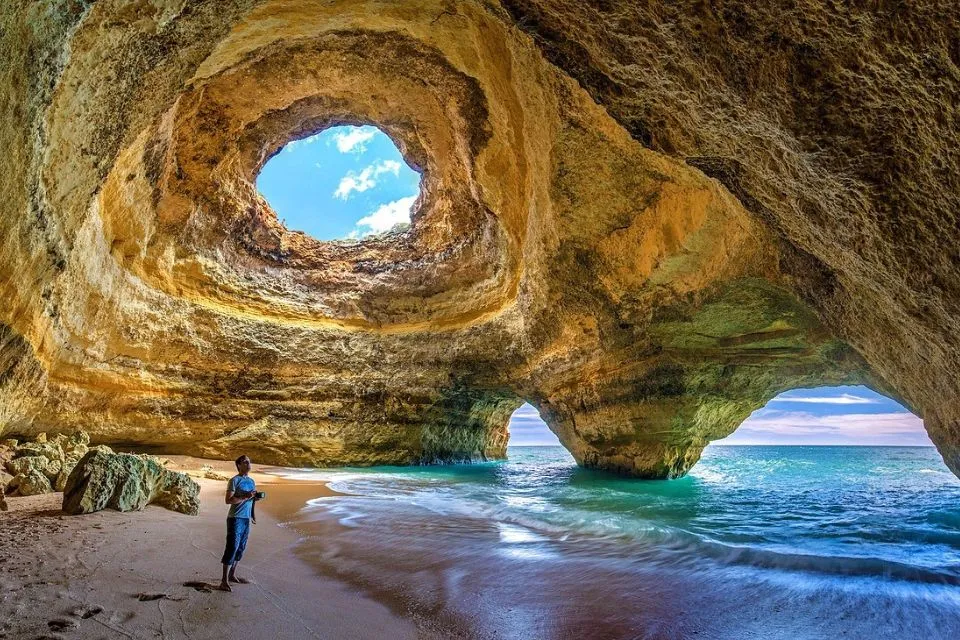
From a regional perspective, the Algarve in southern Portugal remains one of the country’s most attractive tourist destinations. With some of Europe’s most established beach resorts, the region attracts large numbers of visitors every summer from countries such as the United Kingdom, Germany, and France.
Statistics show that the Algarve consistently accounts for more than one quarter of the country’s total overnight stays, playing a significant role in overall tourism revenue. Its warm climate, mature resort infrastructure, and well-established international flight connections make it a preferred destination for European holidaymakers.
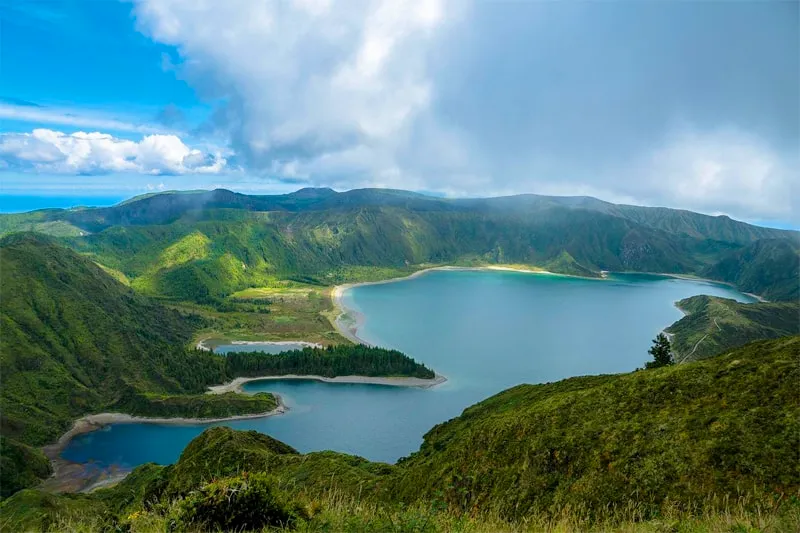
Beyond the Algarve, Portugal’s island tourism also continues to perform strongly. Madeira has gained increasing international recognition in recent years, particularly in cruise tourism, luxury travel, and long-stay vacation markets. Meanwhile, the Azores have built a growing reputation for eco-tourism, attracting visitors with their volcanic landscapes, hiking routes, and rich natural environment.
Lisbon and Porto Remain the Country’s Key Tourism Gateways
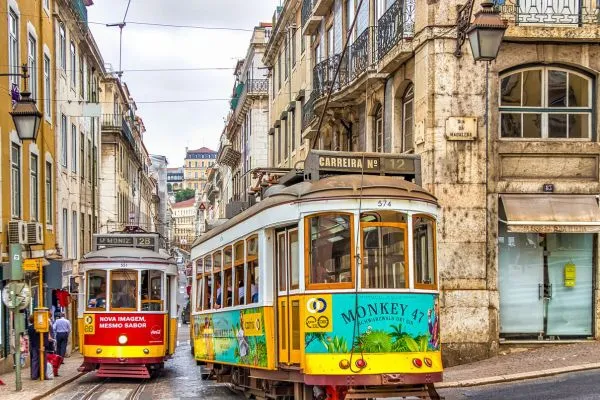
Lisbon remains one of the most visited cities in Portugal. As the nation’s capital and primary international gateway, Lisbon offers the largest hotel and accommodation capacity in the country. Even when occupancy rates appear more moderate than in resort regions, the city still receives far more visitors in absolute numbers.
In addition to traditional sightseeing tourism, Lisbon also attracts a large number of business travelers, international conferences, digital nomads, and long-term visitors, creating a more diversified tourism structure.
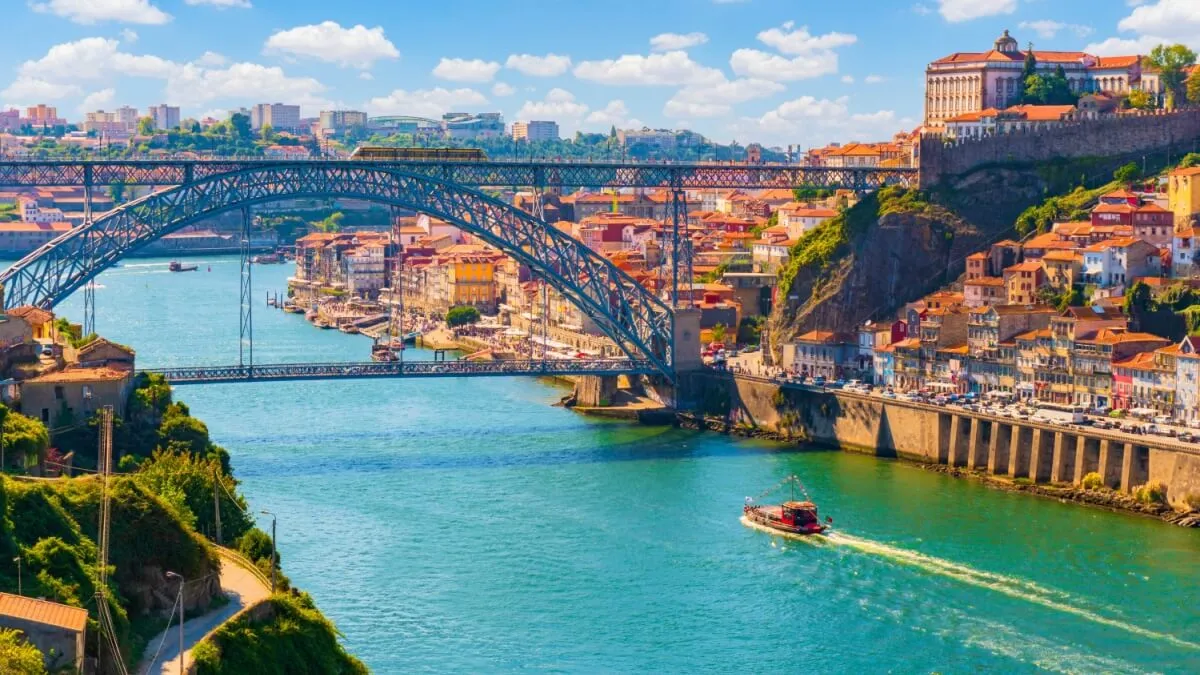
Porto, on the other hand, continues to attract visitors with its historic city center, world-renowned wine culture, and the rapid development of creative industries and technology sectors in recent years. The combination of cultural heritage and modern urban energy has made Porto one of Europe’s fastest-growing urban tourism destinations.
Tourism Growth Is Attracting Increasing Capital
The continued expansion of tourism is not only visible in visitor numbers but also reflected in rising investment.
In recent years, international hotel groups, real estate funds, and tourism investment firms have significantly increased their investment in Portugal. From hotel developments to resort real estate and urban regeneration projects, tourism-related investment continues to expand.
From a macroeconomic perspective, tourism has already become one of the most important pillars of the Portuguese economy. Currently, tourism-related industries contribute more than 21% of Portugal’s GDP, placing the country among the European economies most influenced by the tourism sector.
As tourism demand continues to grow, the industry not only generates substantial employment but also drives development across multiple sectors, including transportation, hospitality, culture, and real estate.
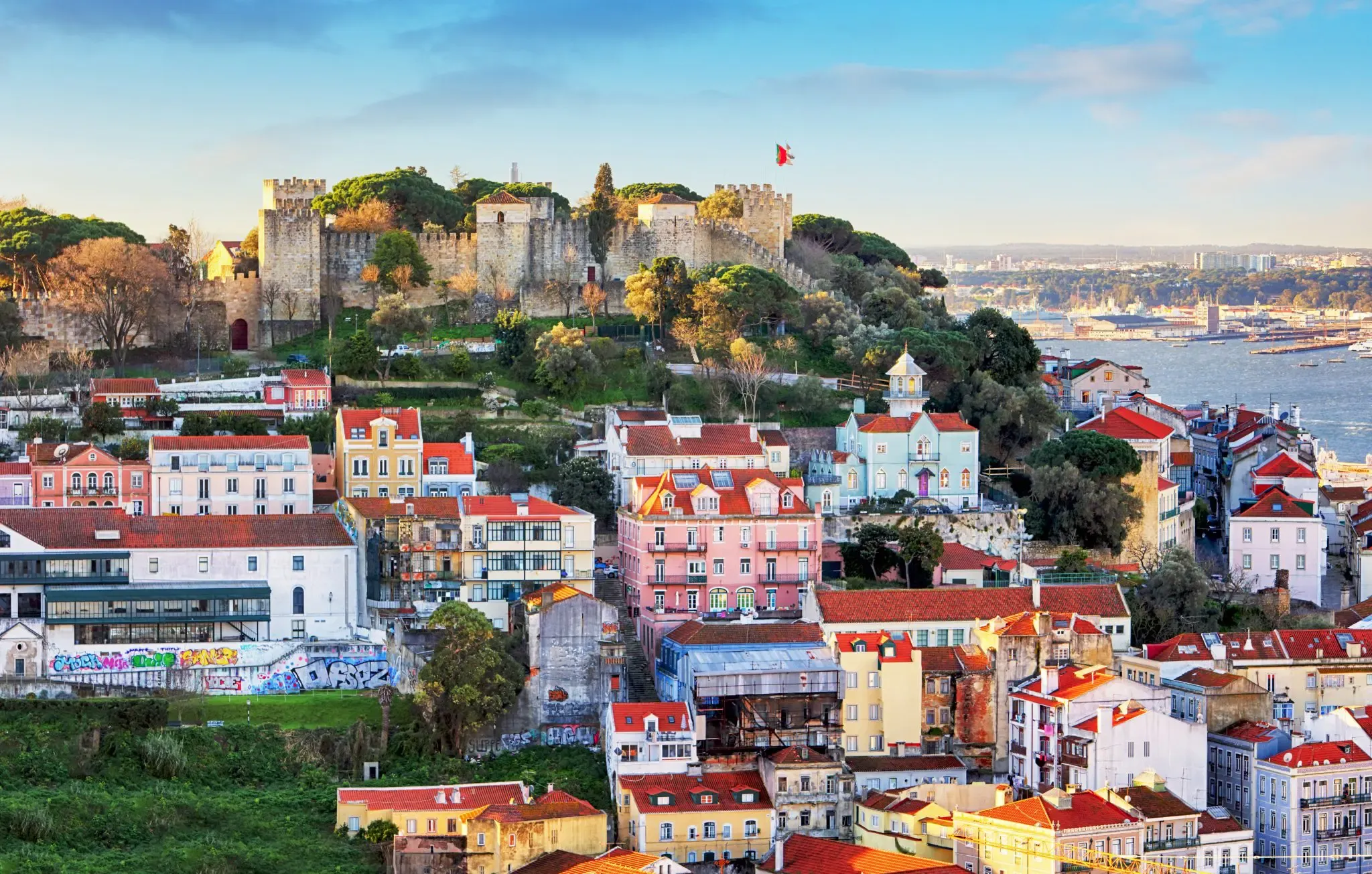
Growing Urban Appeal Creates Long-Term Advantages
The sustained growth of tourism in Portugal is not simply the result of short-term market trends but rather the outcome of several long-term structural factors.
Political stability, a mild climate, a safe social environment, and rich cultural and natural resources allow Portugal to maintain strong competitiveness among Europe’s many travel destinations.
At the same time, the rise of remote work and the digital nomad lifestyle has led more people to view Portugal not only as a place to visit but also as a destination for longer stays and even relocation.
As global tourism continues to recover and international mobility strengthens, Portugal is gradually developing a unique form of urban appeal—serving not only as a vacation destination but also as a place to live.
With visitors, capital, and urban development reinforcing one another, Portugal’s tourism sector is likely to maintain steady growth in the years ahead.