Why Are European Homes Considered More Durable? A Look at Building Standards
Building standards in Portugal are governed not only by national regulations but also by unified European technical frameworks. This system imposes clear and rigorous requirements at every stage, from design and construction to final delivery, and forms a key foundation for the stability of the European real estate market.
Structural Integrity and Safety Standards
From a structural perspective, buildings in Portugal must comply with the European engineering standards known as the Eurocodes, which set clear requirements for load-bearing capacity, seismic resistance, and wind resistance.
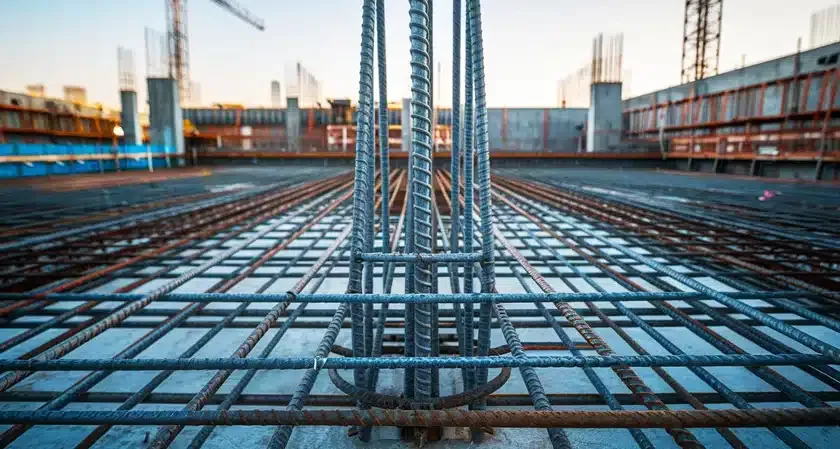
As certain regions of Portugal are exposed to seismic risk, buildings must be designed to withstand potential earthquakes and ensure structural stability under extreme conditions. At the same time, construction materials and workmanship are strictly regulated to guarantee long-term durability and safety.
Fire safety regulations are equally stringent. Buildings must be equipped with compliant fire protection systems, including properly designed escape routes, fire compartmentation, and the use of fire-resistant materials. These elements are reviewed and approved during the design phase by the relevant authorities.
Energy Efficiency and Living Comfort
In recent years, Europe has significantly strengthened its energy efficiency requirements, and Portugal follows the same direction.
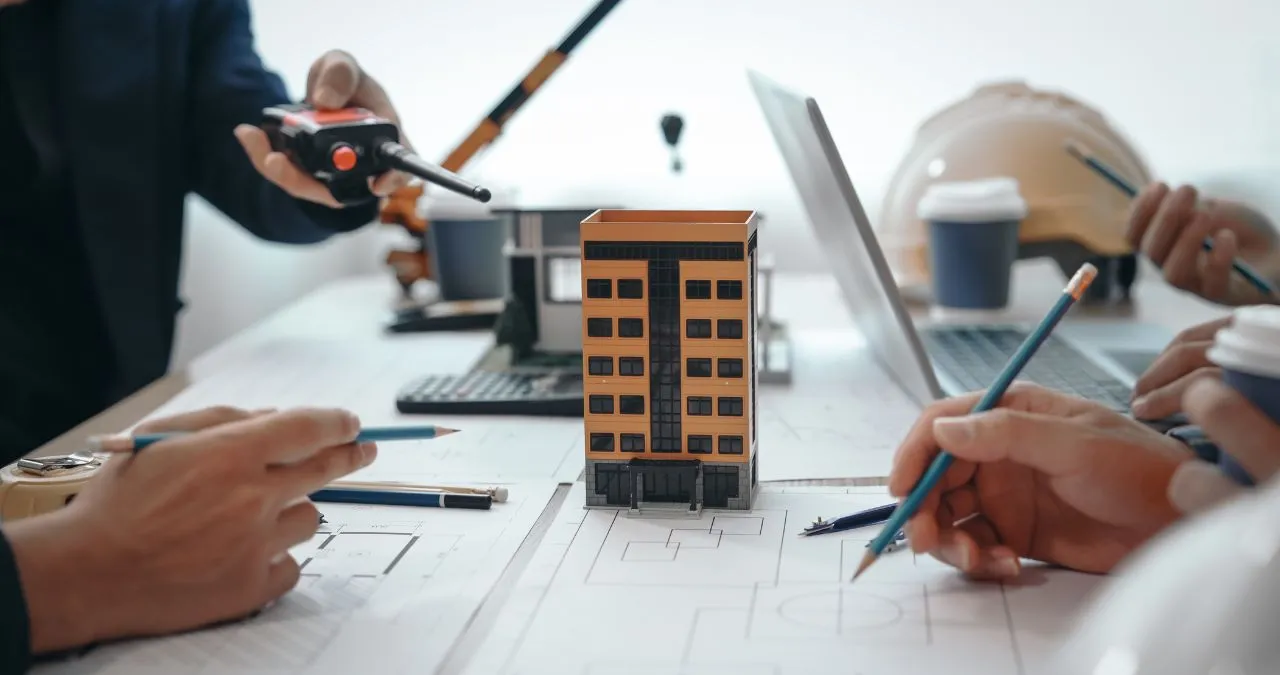
All new residential properties must undergo an energy performance assessment and receive an official energy rating. Building design must incorporate insulation, thermal performance, and energy efficiency measures to reduce long-term energy consumption while improving indoor comfort.
In addition, acoustic performance is regulated, particularly regarding sound insulation between floors and walls, to minimize noise disturbances between neighboring units.
Regulations also address natural lighting and ventilation. Buildings must meet minimum standards for daylight exposure and airflow to ensure a healthy and comfortable indoor environment. These factors play an important role in overall living quality and are integral to building design.
Accessibility and Shared Spaces
Portuguese building regulations place strong emphasis on accessibility in shared spaces.

Entrances, elevators, and common areas must comply with accessibility standards to accommodate people with reduced mobility. This has become a basic requirement in modern developments and reflects the broader European focus on inclusive and user-friendly design.
A Strict Process from Design to Delivery
In Portugal, a building project must go through a comprehensive approval process before it can be completed and occupied.
Plans must first be approved by the local municipality. During construction, compliance with technical standards is required and may be subject to inspections. Once completed, the building must obtain a Usage License (Licença de Utilização) before it can be legally occupied, registered, or sold.
If a project fails to meet these requirements, it cannot enter the market. This system ensures that quality and compliance are enforced from the very beginning.
Building standards are more than just technical guidelines. They are a key factor in determining a property’s quality and long-term value. For buyers, understanding these fundamentals provides a clearer perspective on construction quality and helps explain the overall reliability of the European real estate market.