What Is a Property Management Company in Portugal? Why Is It Important?

For many people, the concept of property management is already familiar: cleaning of common areas, elevator maintenance, access control, and general upkeep. These functions also exist in Portugal. However, the real difference lies not in what is done, but in how the system operates and how responsibilities are structured.
Compared to the more company-led management models that people may be used to, Portugal’s system is closer to an owner-led model of shared asset management. It not only affects day-to-day living conditions but also plays a significant role in a property’s long-term condition and value.
What Is a Property Management Company?
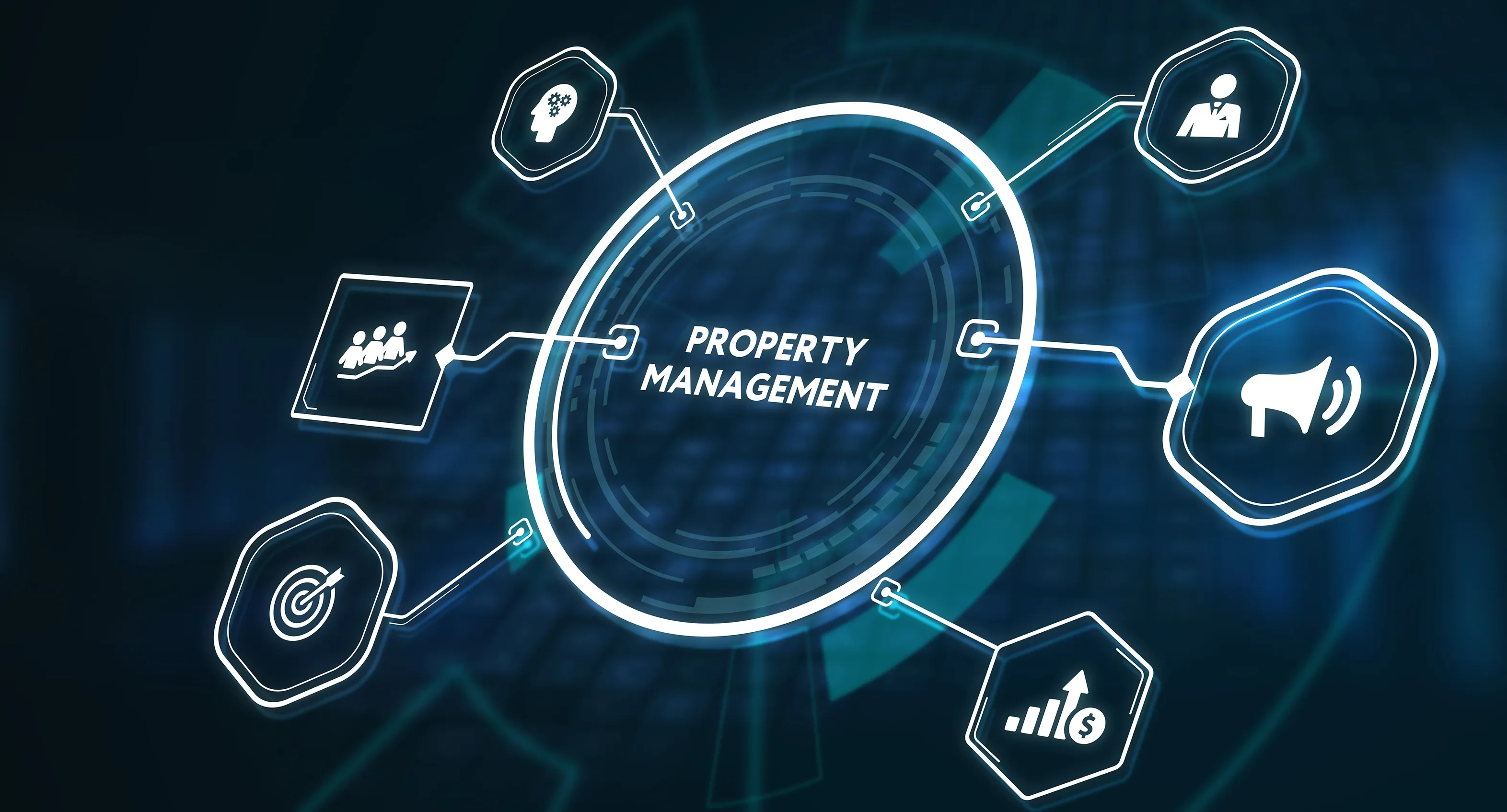
In Portugal, property management is typically referred to as Condomínio management, which is responsible for the maintenance and operation of the common areas within a building or residential complex.
It does not involve the interior of individual units. Instead, it focuses on shared spaces such as hallways, elevators, parking areas, and other communal facilities. In essence, the management company oversees the operational system of the entire building.
Unlike in many other countries, however, the property management company in Portugal is not the ultimate decision-maker. Rather, it acts as a service provider appointed by the property owners. The key decisions are made collectively by the owners themselves.
What Does the Property Management Company Do?
In daily operations, the responsibilities of a property management company generally fall into three main areas.
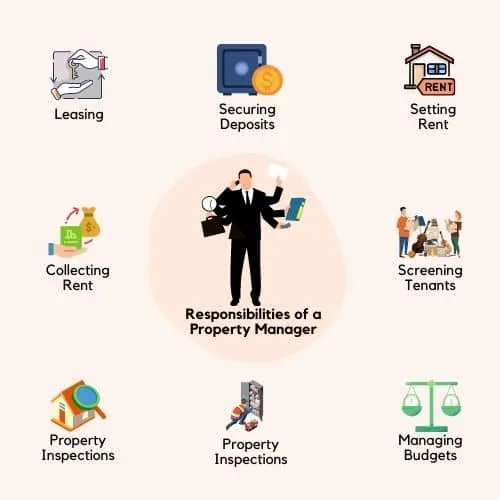
First is maintenance of common areas, including cleaning, elevator servicing, and general repairs, ensuring that the building remains in good working condition.
Second is financial and budget management. The management company prepares an annual budget based on the building’s needs, collects condominium fees, and allocates funds for maintenance, insurance, and reserve purposes. It is also responsible for maintaining transparent financial records.
Third is coordination and execution. This includes handling issues such as leaks or equipment failures, arranging repairs, organizing owners’ meetings, and implementing agreed decisions.
It is important to note that management companies typically do not have independent decision-making authority. Major expenses or upgrades, such as replacing elevators or renovating the facade, are usually subject to approval by the owners.
Why Is Property Management Important?
In Portugal, the quality of property management often has a direct impact on a property’s long-term performance.

First, it affects the physical condition and value stability of the property. Well-managed buildings tend to maintain better overall condition, offer a higher quality of living, and are more attractive for both rental and resale. Poor management, on the other hand, can lead to deterioration of common areas and reduced appeal over time.
Second, it influences the long-term cost of ownership. Effective management allows for planned maintenance and budgeting, helping to avoid large, unexpected expenses. In contrast, very low condominium fees may indicate insufficient maintenance reserves, which could result in significant one-off repair costs in the future.
Another key feature of the Portuguese system is its owner governance structure. Property owners typically hold regular meetings to vote on budgets, maintenance plans, and even the appointment or replacement of the management company. This means that management is not fixed, but can be adjusted based on performance.
Over the long term, what property management oversees is essentially the shared infrastructure of a property. It shapes not only the daily living experience but also, more subtly, the long-term value of the asset.