How to Calculate the Profitability of a Rental Property
When evaluating a real estate investment, one of the figures you will often see is a “6% rental yield.” But what does that number actually mean, and how is it calculated?
At first glance, it may seem that the higher the yield, the better the investment. In reality, however, a percentage alone does not determine whether a property is truly worth buying. Two properties may both advertise a 6% yield, yet one may enjoy stable long-term occupancy while the other faces vacancies, rising maintenance costs, or market-related risks. That is why understanding the logic behind rental yields is often more important than focusing on the number itself.

How Is Rental Yield Calculated?
The most commonly quoted figure is the Gross Rental Yield.
The formula is straightforward:
Annual Rental Income ÷ Property Purchase Price × 100%
For example, if a property is worth €200,000 and generates €12,000 in annual rental income, the gross rental yield would be:
€12,000 ÷ €200,000 = 6%

This is the yield figure most commonly used in property advertisements and market reports.
However, owning a property involves a variety of ongoing costs, including property tax (IMI), condominium fees, insurance, maintenance expenses, and potential vacancy periods. As a result, the figure that more accurately reflects an investor’s actual return is the Net Rental Yield.
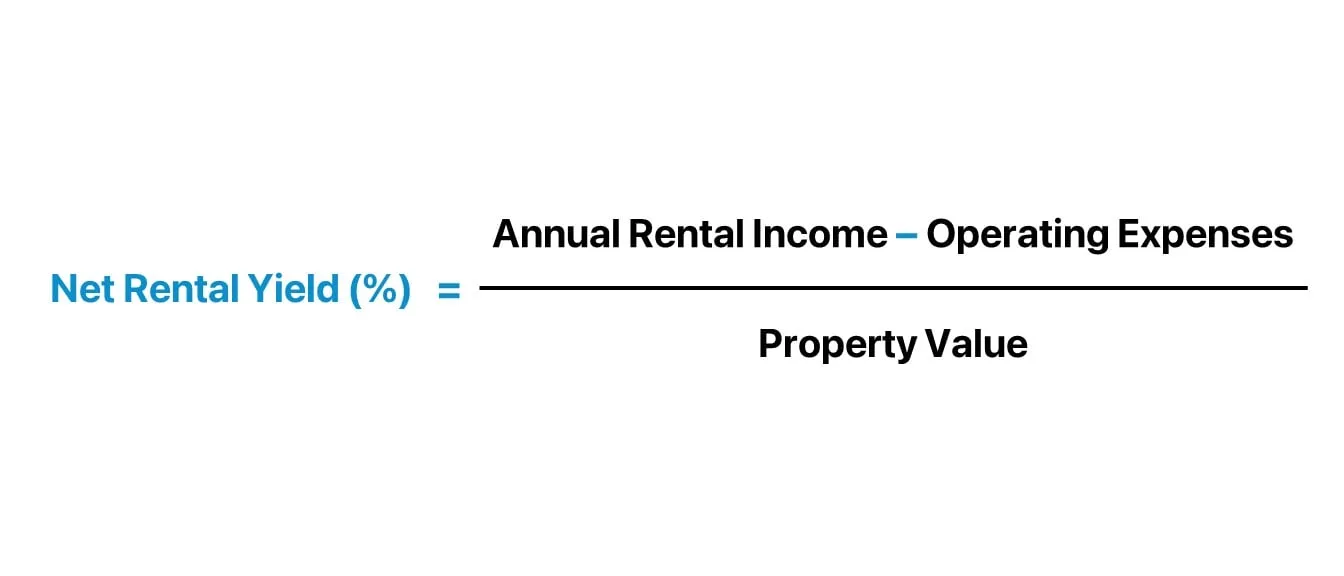
Using the same property example, if the annual rental income is €12,000 but annual ownership costs amount to approximately €2,000, the net income would be reduced to €10,000. This results in a net rental yield of approximately 5%.
A difference of just 1% may appear small, but over the course of a long-term investment, that gap can have a significant impact on overall returns.
How Do You Know Whether a Property Is a Good Investment?
When evaluating real estate in Portugal, calculating profitability is about far more than simply knowing how much rent a property can generate each year. More importantly, it helps determine whether the investment has long-term value.
Questions such as: Does the property have potential for future appreciation? How long will it take to recover the initial investment? Will rental income cover ownership costs? Does the expected return align with my investment objectives?

can all be assessed through profitability analysis.
At the same time, rental yield is also a useful tool for comparing different investment opportunities. With the same budget, an investor may be able to choose between properties in different cities or property types. By analysing rental yields, rental demand, and long-term growth potential, investors can make more informed decisions about which option best fits their strategy.
When evaluating a property investment in Portugal, there are three key indicators worth considering:
- Yield – Determines the property’s cash-flow potential.
- Occupancy Stability – Determines how sustainable that income is over time.
- Capital Growth Potential – Determines whether the asset is likely to increase in value in the future.
A property that can balance all three factors often offers the strongest long-term investment value.
Because the goal of real estate investing is not simply to find the property with the highest yield, but to identify an asset that can generate consistent income while benefiting from sustained demand over the long term.
The best real estate investments are not just properties that can be rented today—they are assets that can continue creating value five, ten, or even twenty years into the future.