Rising Tensions in the Middle East: Will Europe’s Economy Be Affected?
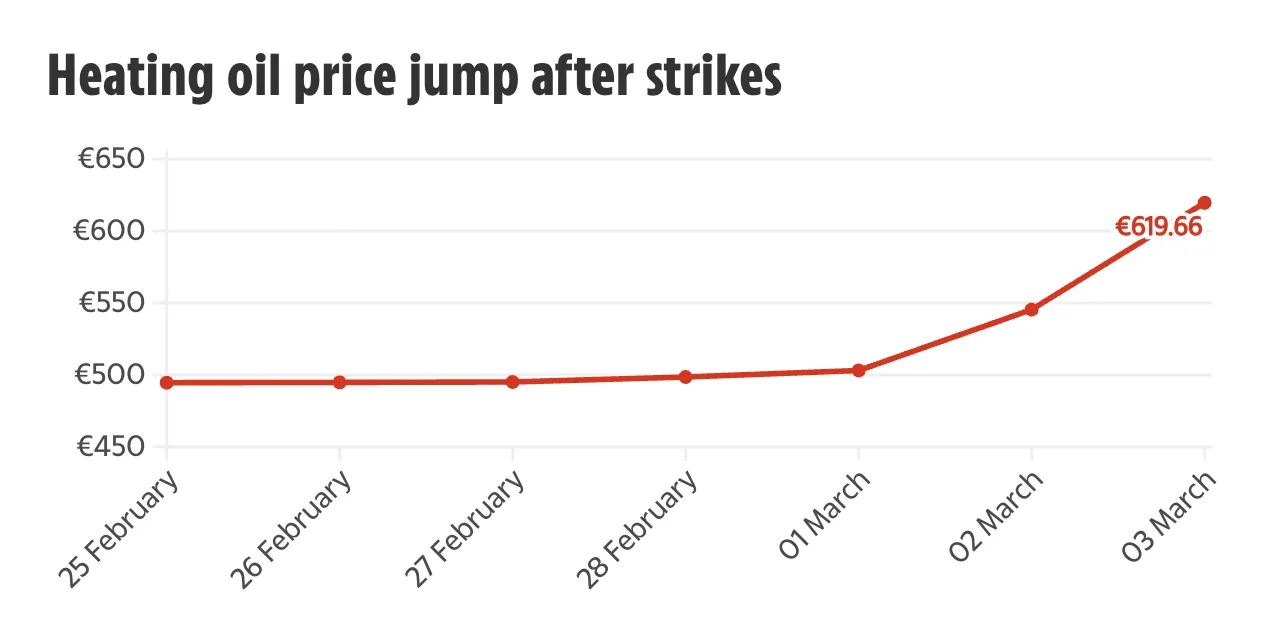
Recently, tensions in the Middle East have escalated once again, with relations between the United States and Iran becoming increasingly strained. Many people’s first reaction may be that this is a regional issue far removed from Europe. However, in today’s highly interconnected global financial system, geopolitical conflicts rarely remain confined to one region. Instead, they tend to influence the global economy and capital flows through multiple channels.
Typically, such conflicts create ripple effects in at least three key areas.
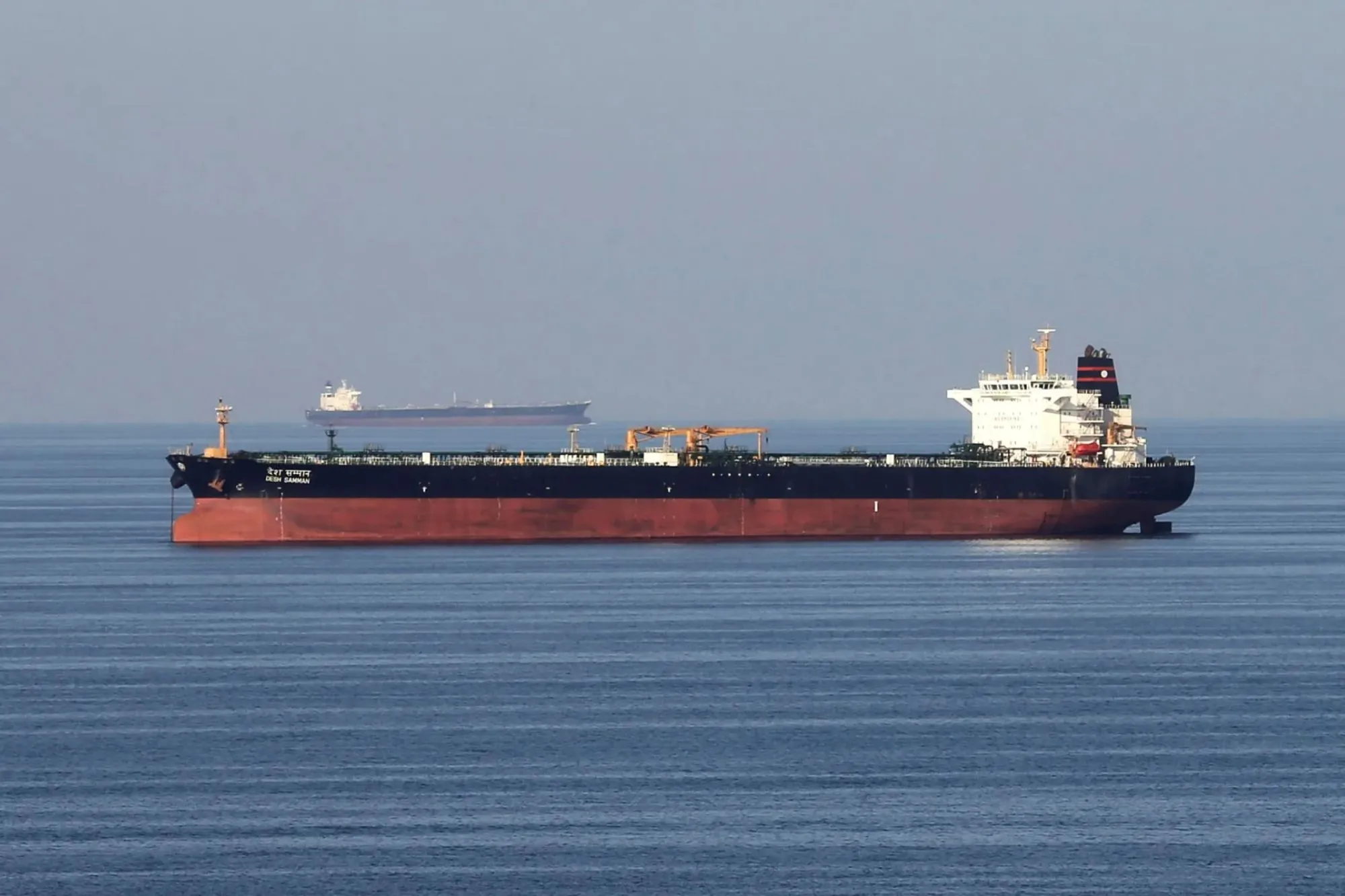
The first is energy prices. The Middle East has long been at the center of global energy supply. When tensions rise, concerns over supply stability are quickly reflected in volatility in oil and gas prices. Changes in energy prices affect not only the energy sector itself but also ripple through manufacturing, transportation, and the broader economy. Europe currently relies heavily on imported natural gas, and escalating tensions that threaten shipping routes through the Strait of Hormuz have already begun to influence market expectations. The European benchmark TTF natural gas futures price recently surged nearly 30% in a single day, briefly exceeding €50 per megawatt-hour, prompting several financial institutions to revise their price forecasts upward.
The second impact is on inflation expectations. Rising energy prices typically lead to higher production costs, which are gradually passed through supply chains to sectors such as transportation, manufacturing, and eventually to consumer goods, including food and daily necessities. For Europe, which has only recently emerged from a period of high inflation, a renewed surge in energy prices could once again increase inflationary pressure and potentially influence the future path of monetary policy set by central banks.
The third and most immediate response appears in financial markets through shifts in capital flows. When global uncertainty increases, capital tends to move rapidly into risk-off mode, seeking assets or markets perceived as relatively safe.
Traditionally, safe-haven assets have included gold and U.S. Treasury bonds. However, in a world characterized by historically high global debt levels and deeply interconnected financial systems, the definition of a “safe asset” is gradually evolving. Gold offers value preservation but does not generate cash flow, while U.S. Treasuries rely heavily on the credibility of the dollar-based financial system. As macroeconomic conditions shift structurally, investors are increasingly reconsidering where the true long-term boundaries of financial security lie.
When risks originate from a single market or industry, capital can simply rotate between asset classes. But when risks emerge from deeper systemic factors—such as excessive debt levels, fluctuations in monetary credibility, or financial system pressures—the logic of capital allocation changes. Investors begin shifting away from high-volatility markets toward regions with more mature institutions, stable political environments, and stronger legal systems.
This is why, during periods of rising global uncertainty, Europe often returns to the focus of international investors. As a region with well-established institutional structures, the European Union provides relatively stable legal frameworks, regulatory systems, and market rules. This institutional stability forms an important long-term safety boundary for global capital.
Within Europe, certain countries attract particular attention due to their stable political environment, resilient financial systems, and mature social structures. Portugal is one such example. Compared with regions that are more exposed to geopolitical tensions, Portugal has long maintained a relatively moderate diplomatic stance. Geographically, it sits at the western edge of the European continent, far from current conflict zones. Within the European framework, it is considered one of the countries with a stable political environment and a mature social structure.

For this reason, Portugal’s appeal does not lie solely in rapid economic growth, but rather in a more important quality—predictability.
During periods of global turbulence, investors often shift their focus away from simply chasing the highest returns. Instead, they pay closer attention to whether the environment surrounding an asset is stable, whether the rules are clear, and whether the future is reasonably predictable. As global markets become more volatile, stability and predictability themselves begin to represent a scarce form of value.
In many ways, in an era of rising uncertainty, stability itself becomes an asset.