How Liquid Is the Portuguese Property Market? What Types of Properties Are Easier to Resell in the Future?
When buying property overseas, most people focus on factors such as price, location, and rental yield. But there is another important question that often comes up:
Will I be able to sell it easily in the future?
Most agents and developers spend a lot of time talking about price appreciation, yet very few discuss exit strategies. This is especially true in a country like Portugal, where the population is only around 10 million. Many investors naturally wonder: Is the market too small? Will there be enough buyers in the future? Could I end up stuck with a property that is difficult to sell?
In reality, Portugal’s real estate market has proven to be far more resilient than many people expect.
Real Estate Is Naturally a Less Liquid Asset
Many people view property as a relatively safe investment. However, “safe” does not necessarily mean “easy to exit.”
Unlike stocks, which can often be sold almost instantly, real estate transactions require finding a buyer, obtaining financing approval, completing legal procedures, and navigating market cycles. As a result, property is inherently a long-term asset class.
The real question is not whether a property can be sold, but whether it can be sold at a reasonable price.
In theory, almost any property can be sold. The key considerations are: How long will it take? Will you need to reduce the price? Is there consistent demand? Can you sell without taking a significant loss?
These are the factors that truly determine a property’s liquidity.
Portuguese Properties Are Often Easier to Sell Than Many People Think
One common misconception is that Portugal’s property market depends solely on Portuguese buyers. In reality, demand comes from a much broader audience.
Today, buyers in Portugal generally fall into three categories.
The first group consists of domestic buyers, including first-time homeowners, families upgrading to larger homes, and owner-occupiers looking to relocate.
The second group is international buyers. For many years, purchasers from the United Kingdom, France, Germany, the Netherlands, Brazil, and the United States have been a major force in the Portuguese property market. In recent years, American buyers in particular have become increasingly active, making Portugal one of the most attractive gateways into the European property market.
The third group consists of investors seeking income-generating assets, such as long-term rental properties, student accommodation, and other yield-focused investments.

In other words, the Portuguese real estate market is not limited to a population of 10 million people. It attracts buyers from across Europe and around the world.
This also helps explain why Portugal’s property market did not experience the dramatic decline that some predicted after changes to the Golden Visa programme. The market is no longer driven solely by immigration-related demand, but by long-term housing needs and continued international capital inflows.
What Types of Properties Are Easier to Resell?
Property liquidity is ultimately determined by the product itself.
Generally speaking, the easiest properties to resell are those located in cities with strong and sustainable demand.
Lisbon and Porto are prime examples.
As Portugal’s two largest cities, they benefit from the country’s strongest employment markets, leading universities, and largest international communities. Both local residents and foreign investors continue to seek opportunities in these cities, meaning that well-priced properties rarely lack potential buyers.
Beyond the two major cities, several fast-growing secondary cities have also demonstrated increasingly strong liquidity in recent years.
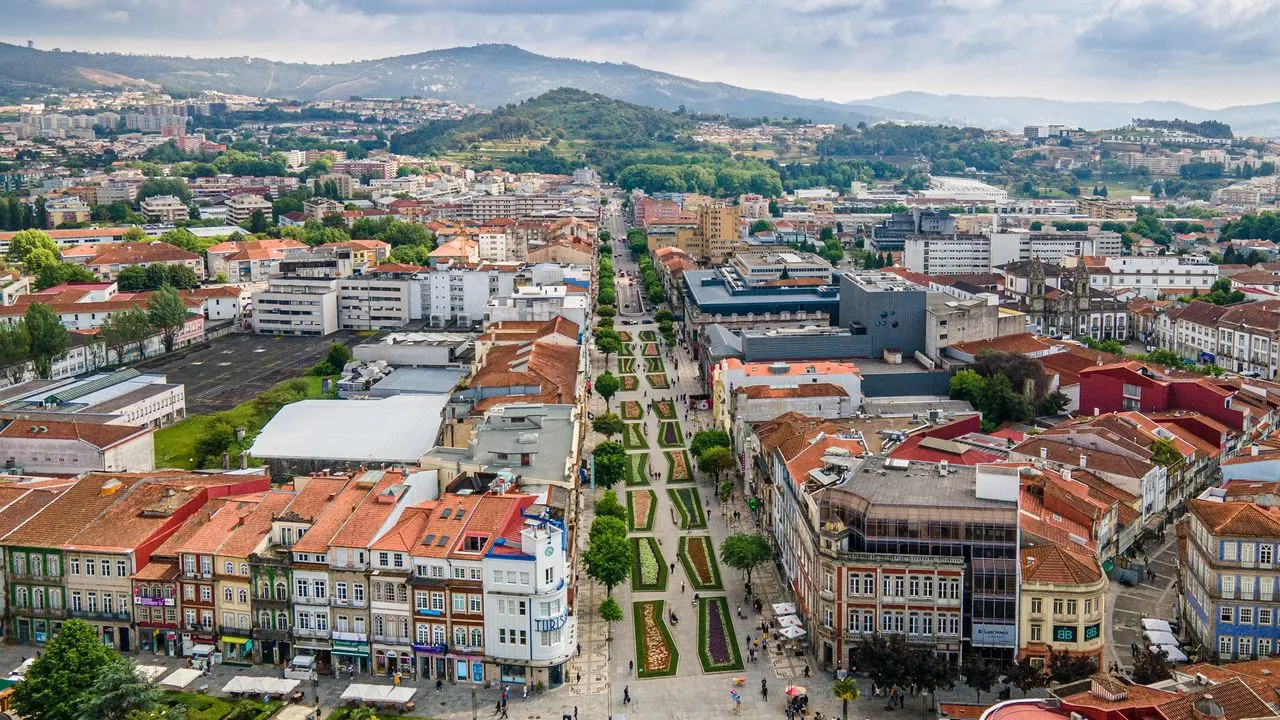
Braga is a good example. The city has experienced growing demand driven by university expansion, a developing technology sector, and increasing international migration. Compared with Lisbon and Porto, Braga offers a lower entry price while maintaining strong housing demand, making it attractive to both owner-occupiers and investors.
As a result, properties in these markets often benefit not only from rental demand but also from a relatively active resale market.
Demand Is the Real Driver of Liquidity
Ultimately, properties supported by genuine demand rarely struggle to find buyers.
For property investors, rental yield is important, but the ability to resell an asset in the future deserves equal attention. A successful investment is not simply one that generates rental income today—it is one that can still attract buyers when the time comes to exit.
From this perspective, cities that benefit from population growth, job creation, strong educational institutions, and consistent housing demand tend to offer stronger long-term investment potential.
Because at its core, property liquidity is driven by one thing:
Sustained demand from people who need a place to live.