Population Inflow Is Changing Portugal’s Real Estate Market
Over the past few years, Portugal’s real estate market has been undergoing a very noticeable shift: the main force driving market growth is no longer just tourism, but the continuous inflow of population. More and more international residents are choosing to live in Portugal long term rather than simply visiting for short stays. This change is gradually reshaping the underlying logic of Portugal’s property market.
Why Are More People Moving to Portugal?
Over the last decade, Portugal has become one of the fastest-growing destinations for international residents in Europe. According to data from Portugal’s immigration authority (AIMA), by 2025 the number of foreign residents in Portugal had exceeded 1 million, representing roughly 10% of the country’s total population. Compared to five years ago, the international population has nearly doubled.
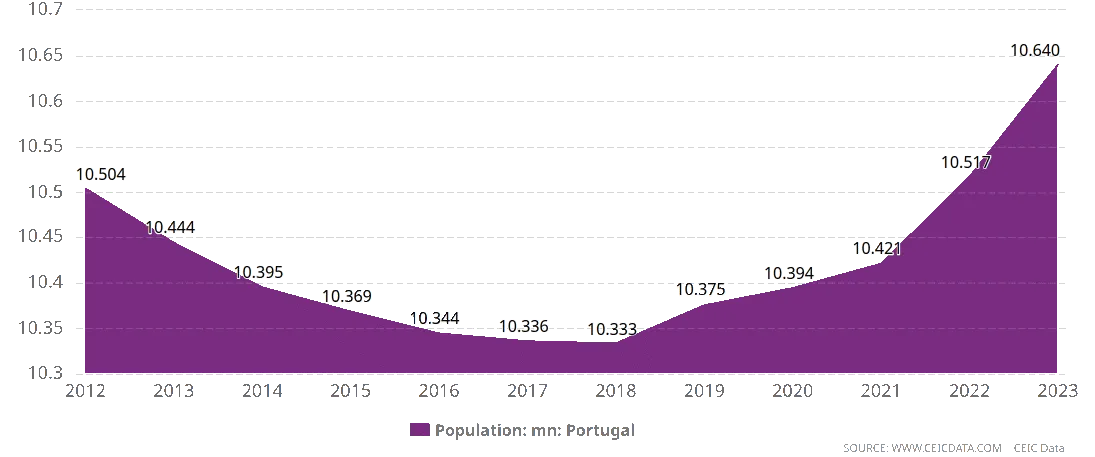
The reasons behind this population growth are relatively straightforward. Compared with many other European countries, Portugal still offers a lower cost of living, a warmer climate, and a more stable and secure social environment. At the same time, as a member of both the European Union and the Schengen Area, Portugal continues to attract people seeking a European lifestyle and greater international mobility. With the rise of remote work, digital nomads, international education, and retirement migration, more people are now viewing Portugal as a long-term place to live rather than simply a holiday destination.
Who Is Moving to Portugal?
The population entering Portugal today comes from several distinct groups.
On one side, there is intra-European migration. Residents from countries such as France, Germany, the United Kingdom, and the Netherlands continue to relocate to Portugal, particularly to Lisbon, Porto, and the Algarve. These groups include retirees, remote workers, and higher-income households.

At the same time, immigration from the United States and Brazil has also been growing significantly. In recent years especially, American buyers have become increasingly active in Portugal’s real estate market, with many viewing Portugal as an important destination for long-term living and international asset allocation within Europe.
Meanwhile, the number of international students is also rising rapidly. University cities such as Braga, Coimbra, and Porto continue to attract growing numbers of international students and young residents, creating stable long-term demand in the rental market.
What Does Population Inflow Change?
At its core, real estate is fundamentally about one thing: Where people choose to live.
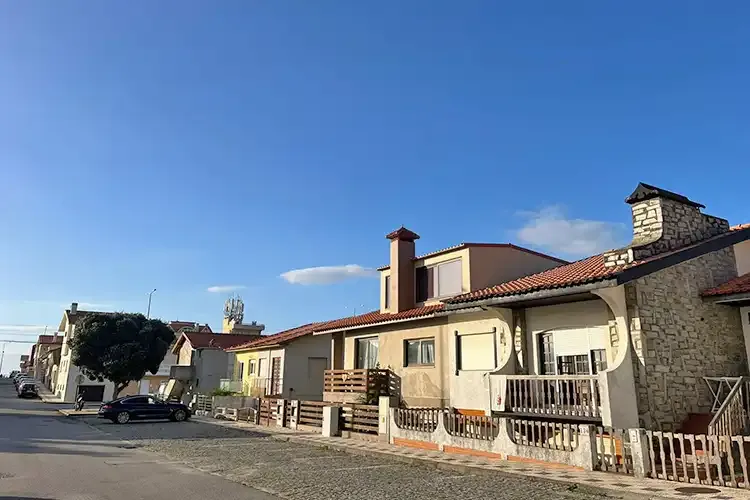
As more people move into a city, housing demand naturally rises, rental markets become more active, vacancy rates decline, and both rents and property prices tend to increase over time.
For many years, investors focused heavily on tourism numbers because tourism drove short-term consumption and holiday rentals. But today, the market is paying increasing attention to long-term demographic trends, because long-term residents create real and sustained housing demand.
This shift also means that Portugal’s property market is gradually evolving from a “tourism market” into a true “residential market.”